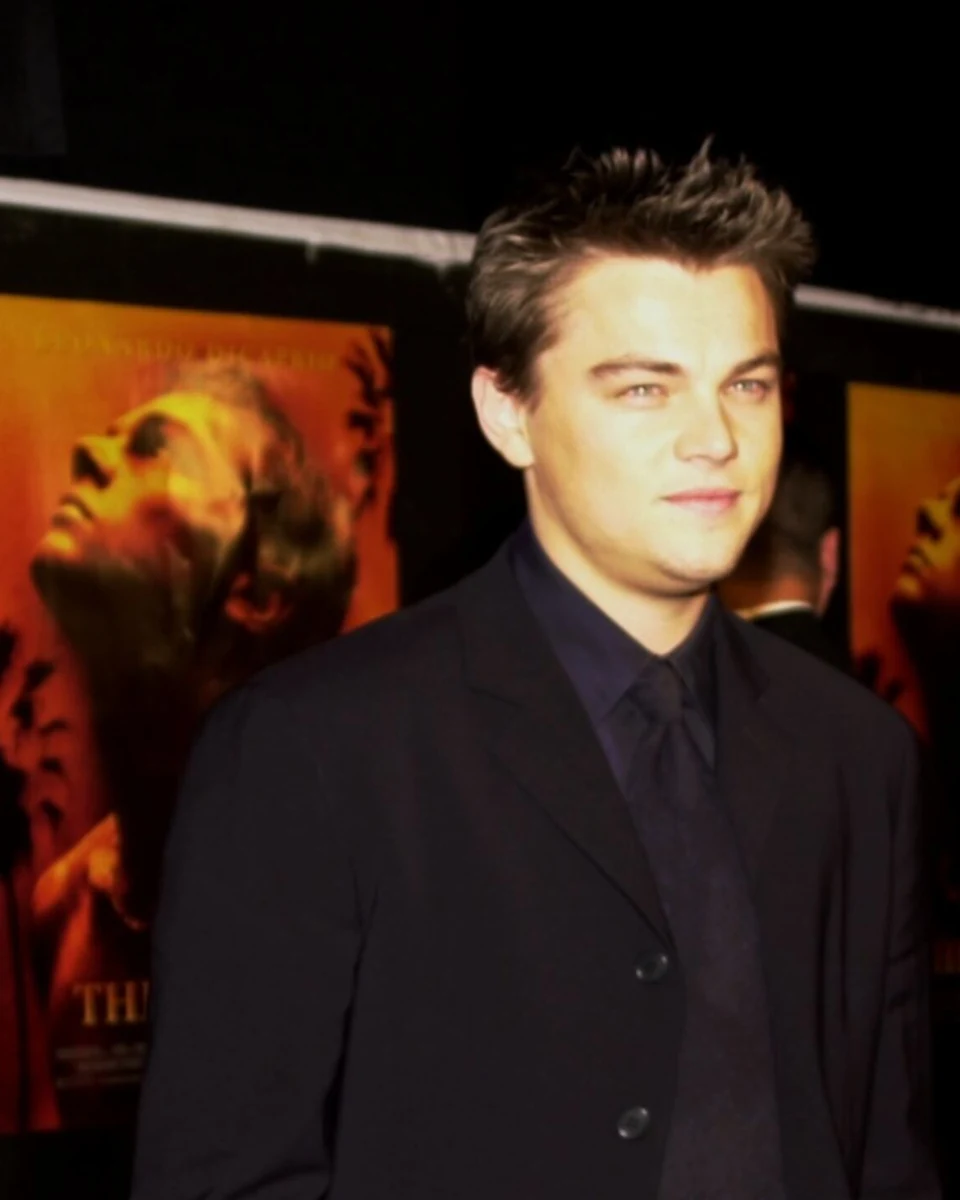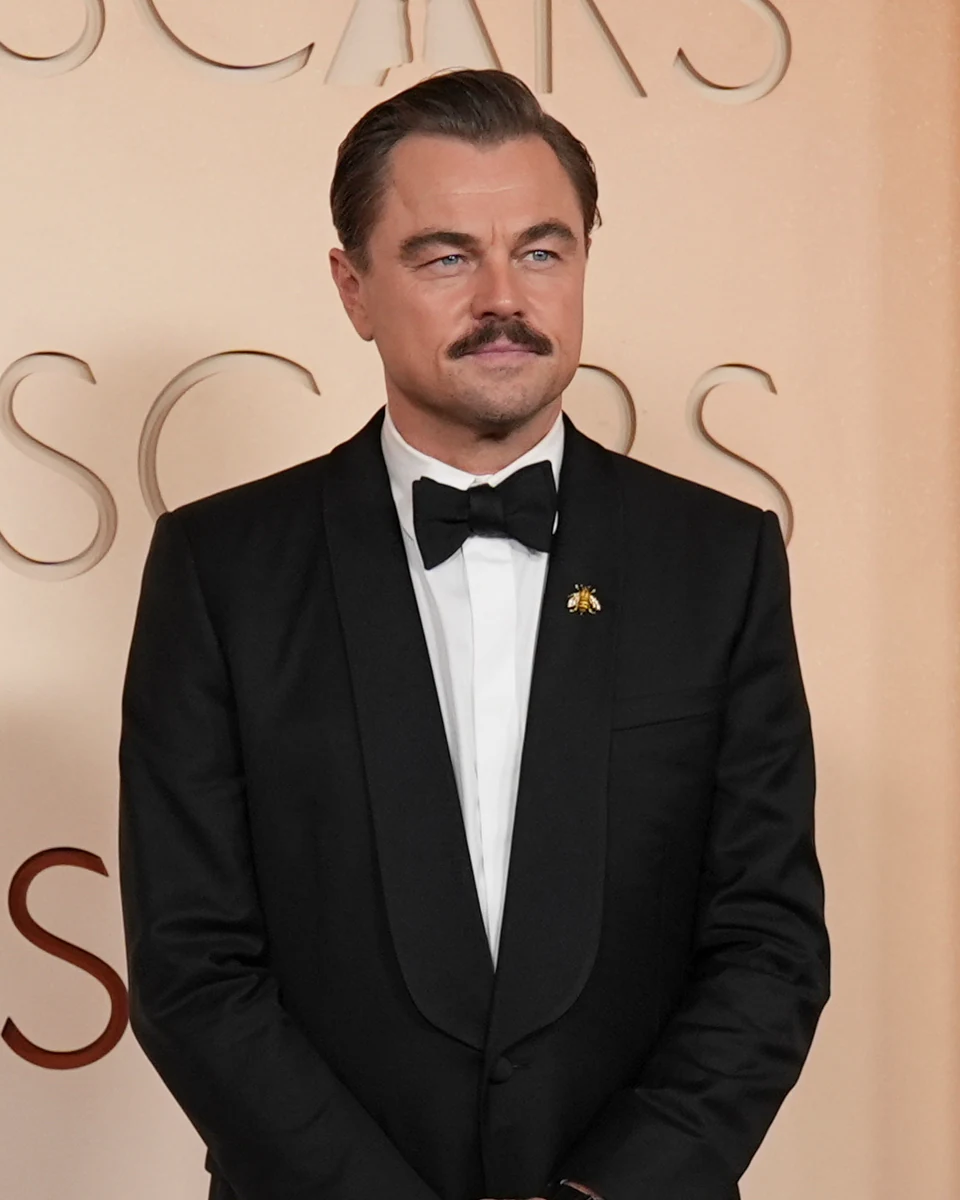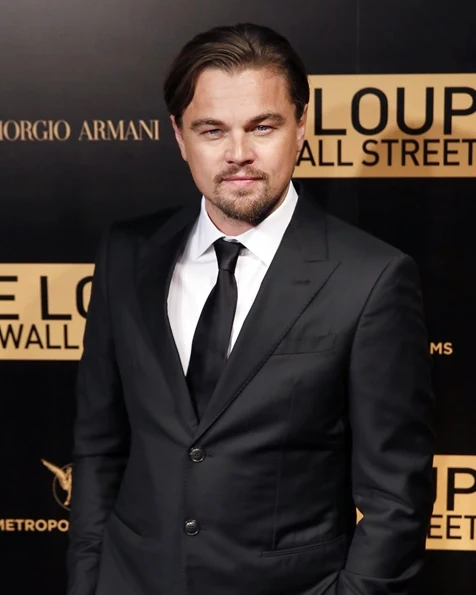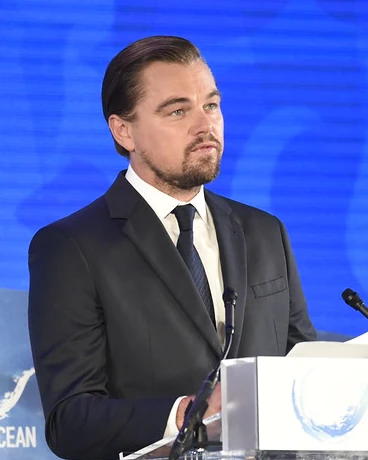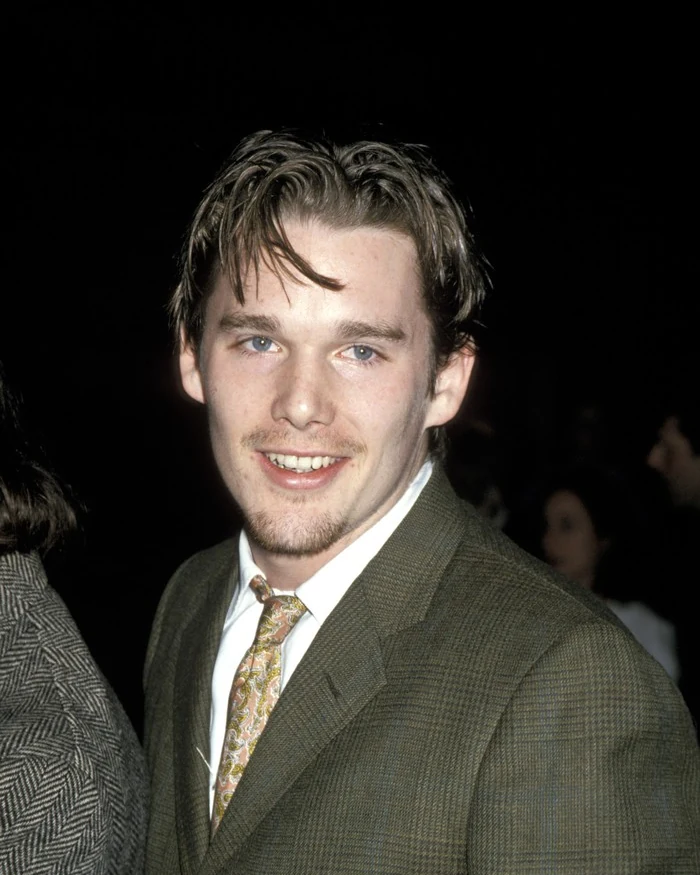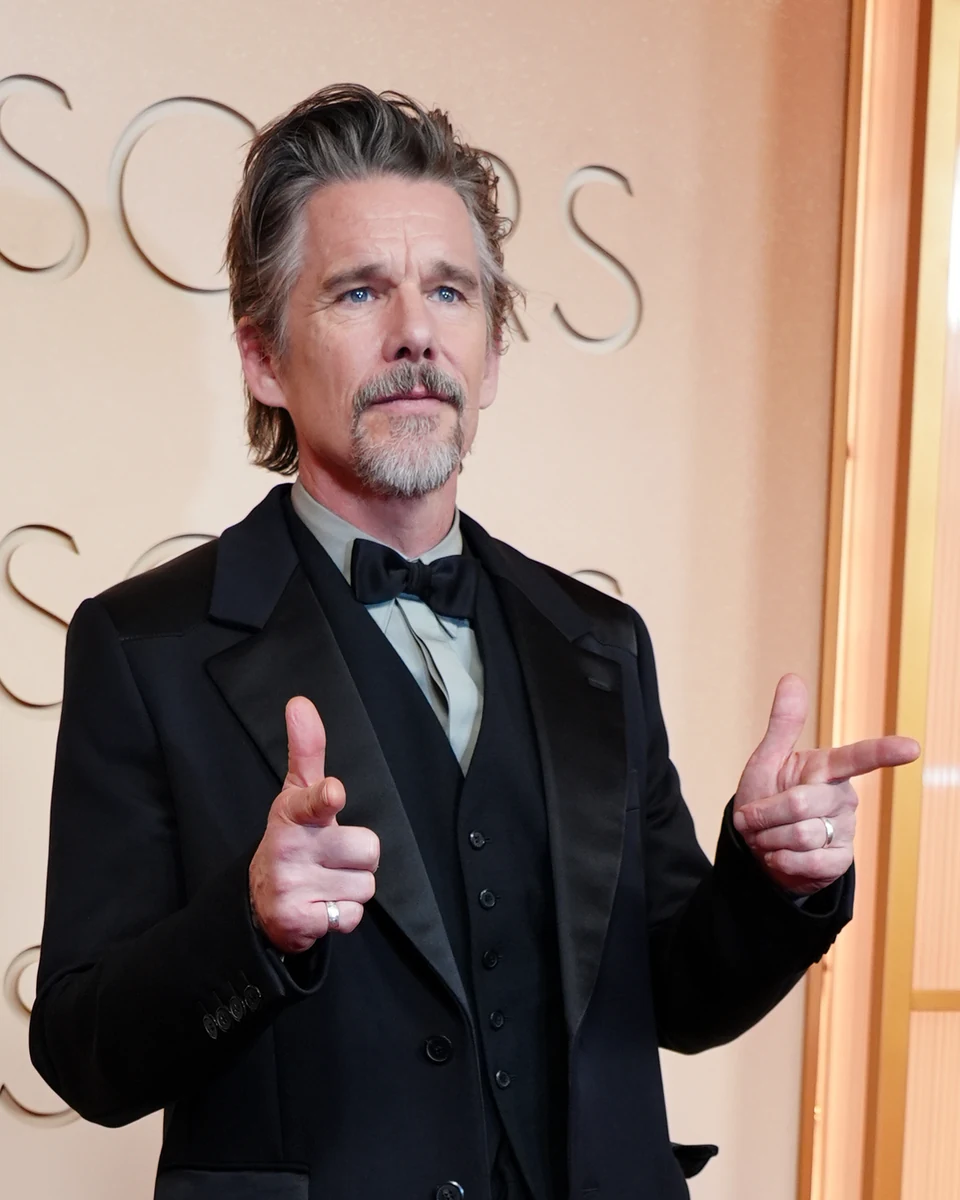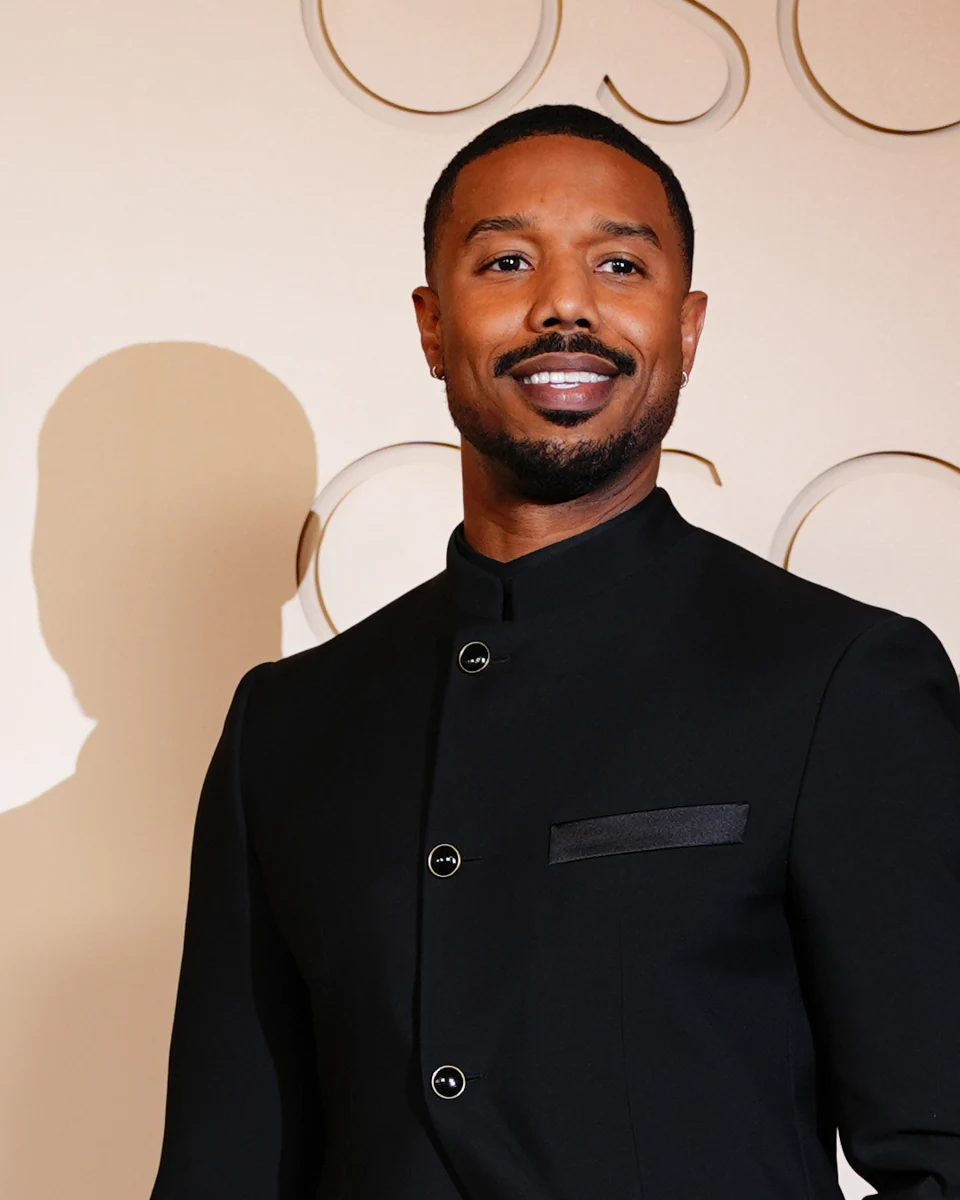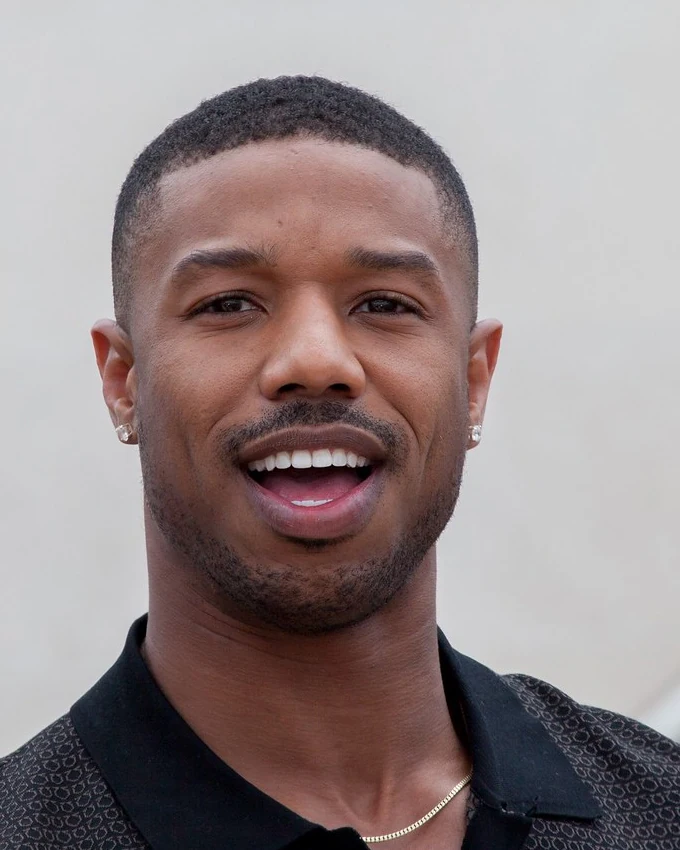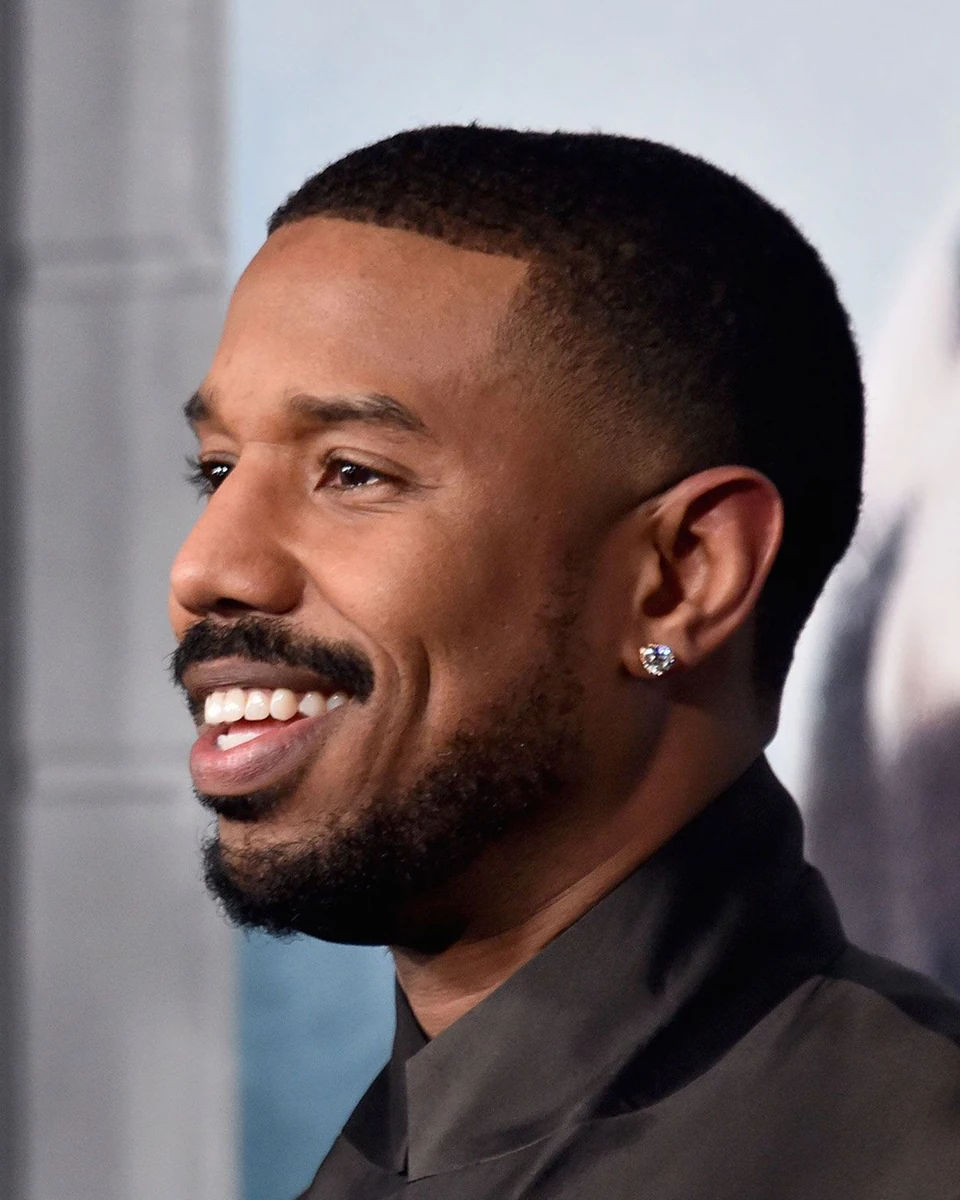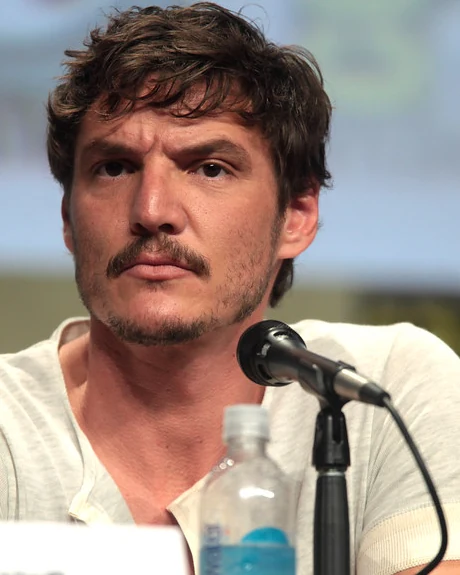

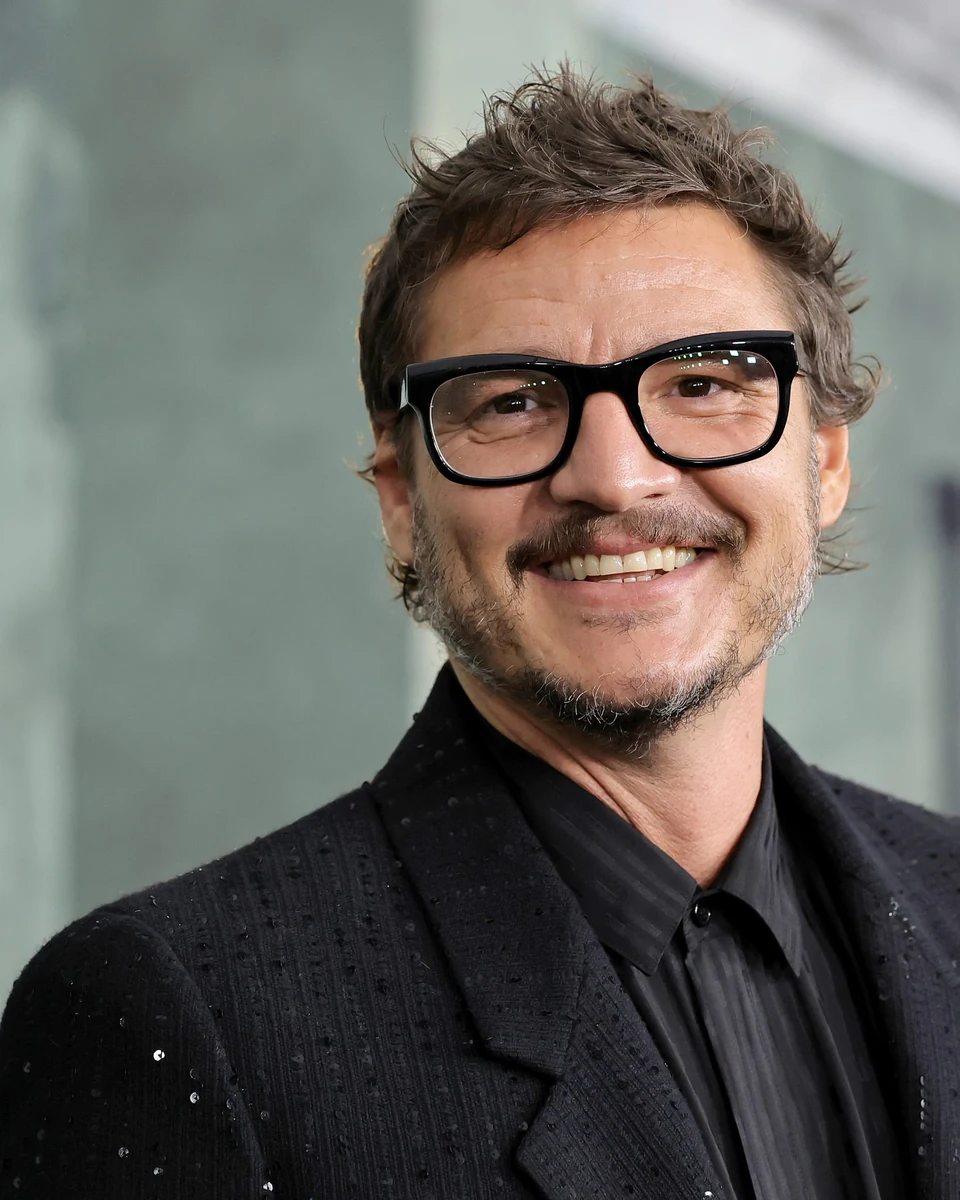
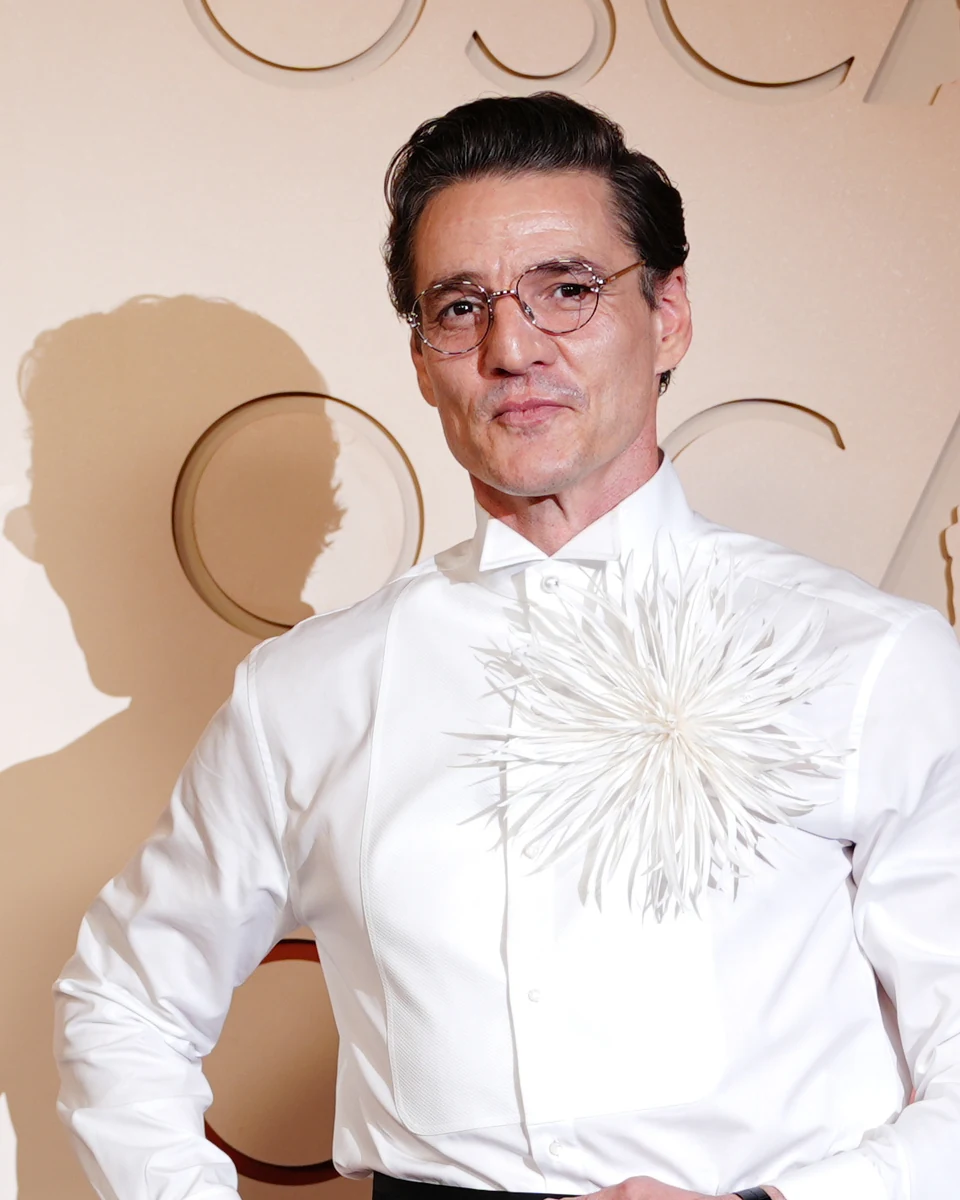
Pedro Pascal’s then-and-now comparison pairs a photograph from 2014 with his appearance at the Oscars on 15 March 2026. The earlier picture comes from the period of his breakthrough as Oberyn Martell in Game of Thrones. The newer image shows a performer familiar to audiences through several major television and film worlds. The difference is a story of widening recognition, rather than a first photograph of an actor who had only just begun working.
Pascal is useful to compare across these years because his best-known characters can look and behave very differently. A charismatic visitor, a masked bounty hunter and a guarded survivor do not ask for the same performance. Many people recognise his face immediately, yet one of his defining roles deliberately hides it for much of the story. That contradiction makes the journey more interesting than a simple gallery of changing looks.
Why 2014 is the earlier reference
Oberyn Martell gave Pascal a vivid place inside the already crowded world of Game of Thrones. A character arriving after the audience has learned to follow many others needs a clear presence quickly. Confidence, directness and the way he responds to powerful people help establish that presence. The viewer has to understand that someone new can change the atmosphere of a familiar room.
The role also shows why a breakthrough does not always require years at the centre of a series. A concentrated appearance can become a lasting point of recognition when the character has a distinct purpose and the performance gives that purpose energy. Viewers may remember the quality of an entrance or a conversation long after forgetting the order of surrounding episodes.
The 2014 photograph is a public-event image from that period. It is not an image of Pascal as Oberyn, and it is not a photograph of the fictional world’s historical setting. Keeping the date and the subject clear makes the comparison straightforward. We are looking at the actor in the year when one of his best-known roles brought him to a wider audience.
Recognition can arrive after a long working path
A breakthrough is often described as though it were a beginning. For a working actor, it may instead be the point when a larger audience finally connects a name with a face. That distinction matters to Pascal’s story. The earlier image is valuable as a marker of a change in public recognition, not proof that there was no professional life before it.
This also changes how we look at the later picture. A relaxed public appearance can be the visible end of a process involving many years of ordinary work, auditions and supporting parts, none of which can be reconstructed from a portrait alone. The useful approach is to follow documented roles rather than invent a dramatic personal narrative for the space between the photographs.
For viewers, the discovery can happen in reverse. You may watch an older film or episode and suddenly realise who is in it. That pleasure of recognition is one reason then-and-now comparisons remain popular. They connect a performer you know now with a period when your own attention was elsewhere. The new familiarity changes the way you look at the older work.
The Mandalorian: a leading role behind a helmet
Pascal’s central role in The Mandalorian created a very different relationship between actor and audience. Lucasfilm’s production page identifies the series, its cast and its November 2019 debut. The character’s helmet is an immediate visual signature, but it also removes many of the facial cues viewers normally use to follow a lead performance.
That makes voice and physical storytelling particularly important. A pause, a turn towards another character or a change in the firmness of a line has to carry information. The finished character is also a collaboration involving the people who perform the physical action and bring the costume to life. Recognising Pascal’s contribution does not require pretending one face or one person accounts for every part of the screen image.
In an official interview about the role, Pascal discusses the relationship with Grogu and his introduction to the audience at the 2019 celebration. That connection offers a clear way to watch the performance: notice how an initially guarded figure becomes readable through responsibility for someone else, often with very little visible face.
Joel and another kind of guarded character
As Joel in The Last of Us, Pascal works with a different kind of restraint. The HBO cast announcement identifies Pascal as Joel and Bella Ramsey as Ellie. The central relationship gives the audience a way through a dangerous world without reducing the people to guides who explain every feeling aloud.
This is an interesting companion to The Mandalorian, but the two should not be treated as the same part in different clothes. Setting, history and the relationship between the characters change the meaning of protectiveness. A gesture can be practical, affectionate or controlling depending on the situation. The audience has to judge it through the story, not through the broad label of a reluctant father figure.
Pascal’s face is available to the camera in a different way here. Viewers can observe the effort involved in withholding a reaction, or a moment when a guarded expression becomes harder to maintain. These small shifts matter because an audience may already feel that it knows him through earlier roles. A new character has to establish a separate emotional life inside that familiarity.
Charm is not the whole performance
Public interviews and event clips can make a performer seem close and familiar. That can be enjoyable, but it is useful to keep it separate from acting. A character who appears warm may be written to conceal something. A distant character may be protecting an attachment. The actor’s public ease does not explain either choice on its own.
Pascal’s different roles show how an appealing presence can be redirected. Oberyn’s confidence invites attention. A masked traveller limits access. Joel can make a conversation feel heavy with things left unsaid. The contrast is a practical reason to watch more than the one role that introduced you to him. Recognition starts the comparison; differences in behaviour make it informative.
The same principle applies to still photographs. A smile, a serious look or a particular pose is a selected moment, not a complete personality. Styling can change dramatically from one event to another. None of this makes the image uninteresting. It simply means the caption and the career context should do their own jobs instead of turning a single expression into an explanation of a life.
The 2026 picture and where to go next
The current portrait records Pascal arriving at the Oscars in Los Angeles on 15 March 2026. Its caption in the event gallery gives the date and setting. The timeline beginning in 2014 therefore spans twelve years, connecting an important television breakthrough with a later public appearance. It does not claim that the newer picture shows his only look or his entire professional situation in 2026.
Compare posture, clothes and the way the photographer frames him before focusing narrowly on age. The earlier image comes from a different event, with different light and a different camera angle. Those differences contribute to the impression of change. The more useful question is what roles you now carry in your memory when you recognise the same person.
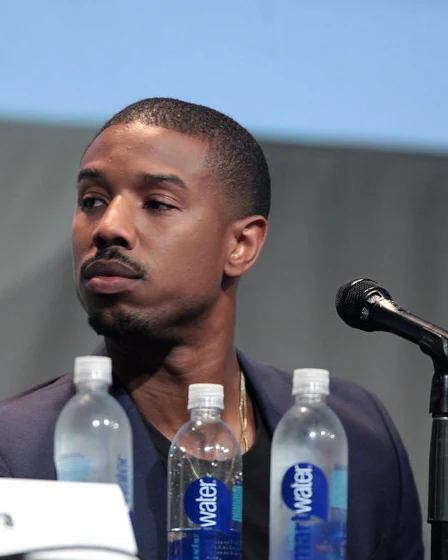
Begin with the role you know, then choose a contrast. If you arrived through The Mandalorian, The Last of Us offers a different kind of visible restraint. If you know Joel, a return to Oberyn shows a much more outward confidence. You can also explore Sigourney Weaver’s long relationship with science fiction or Michael B. Jordan’s path through distinct leading roles. Pascal’s photographs connect the years; the changing characters explain why the recognition kept growing.