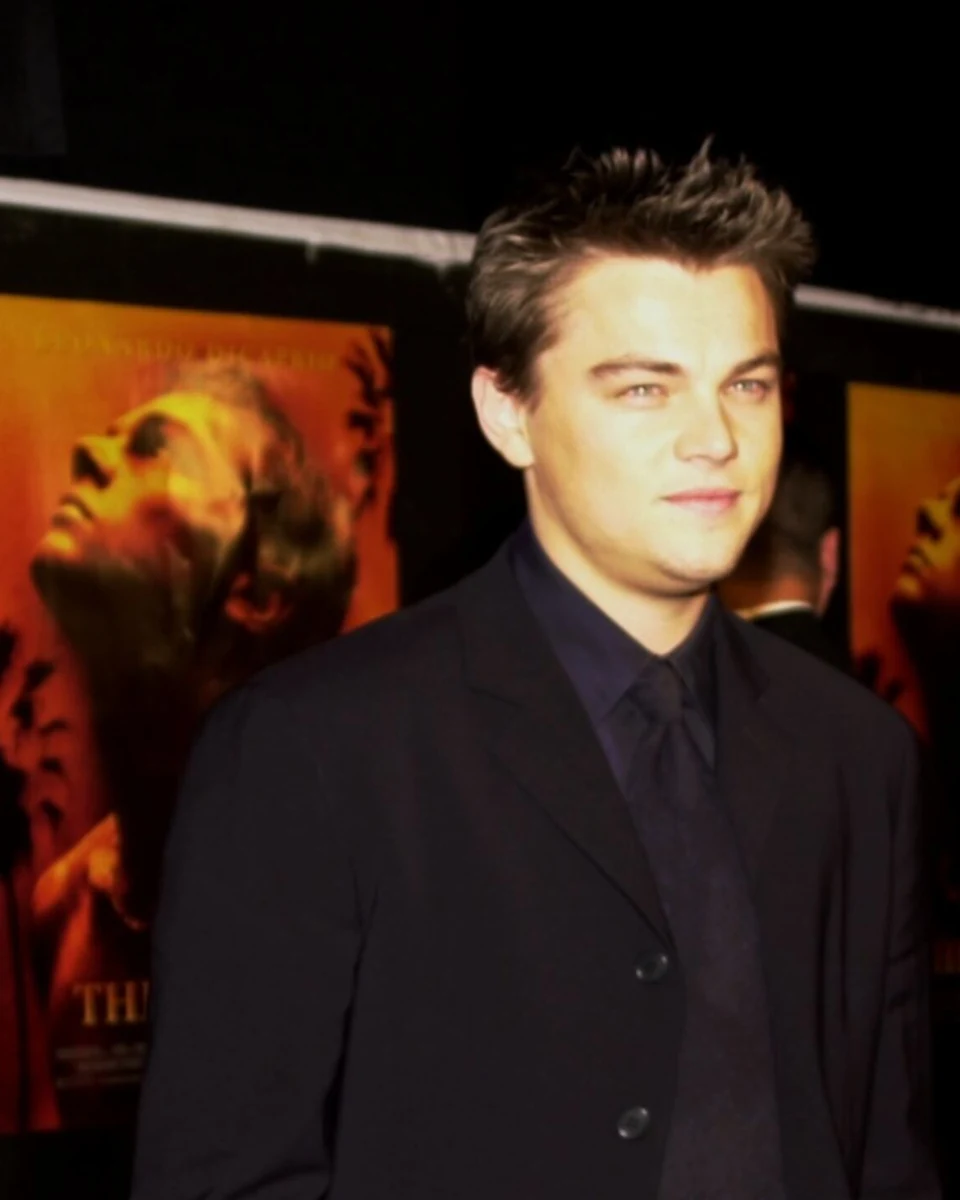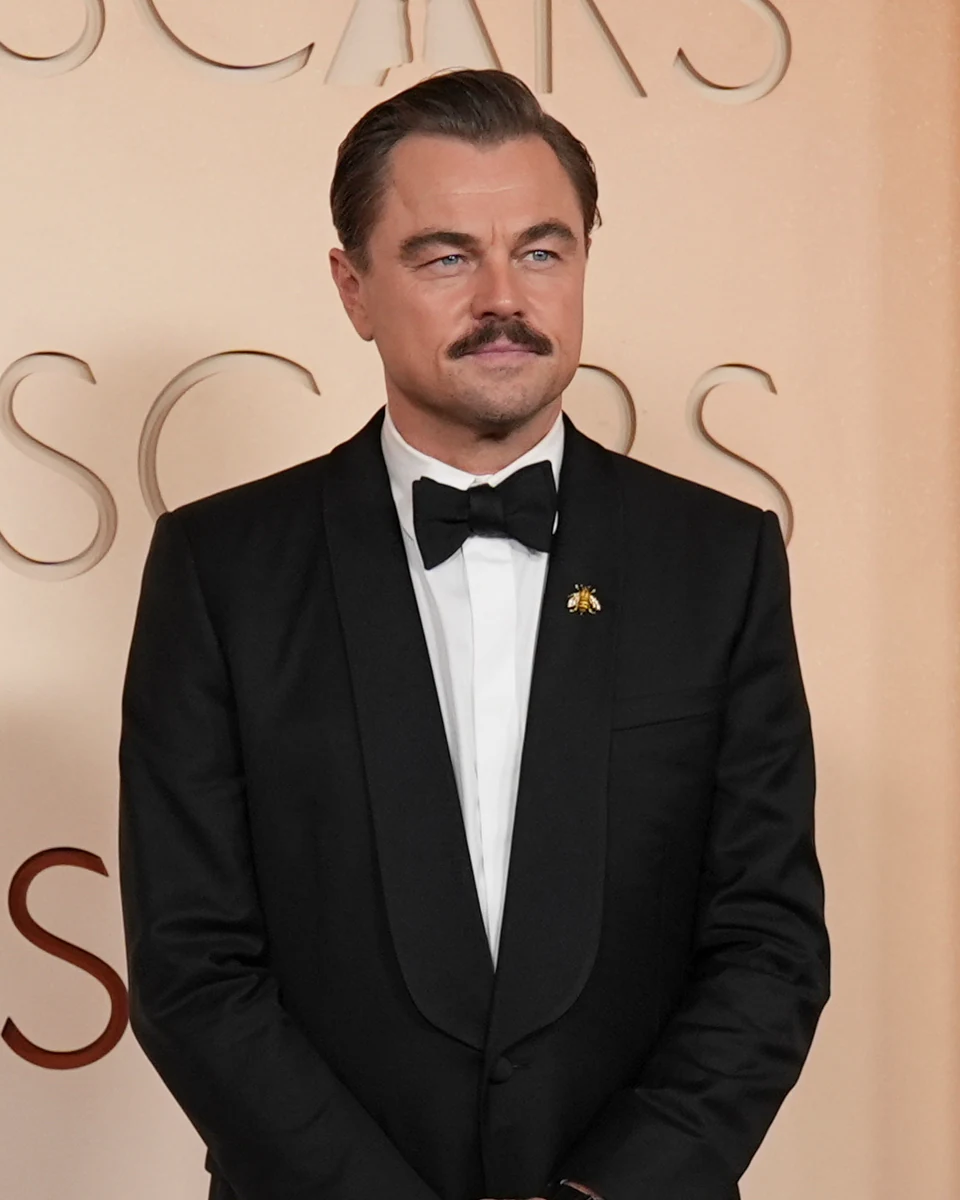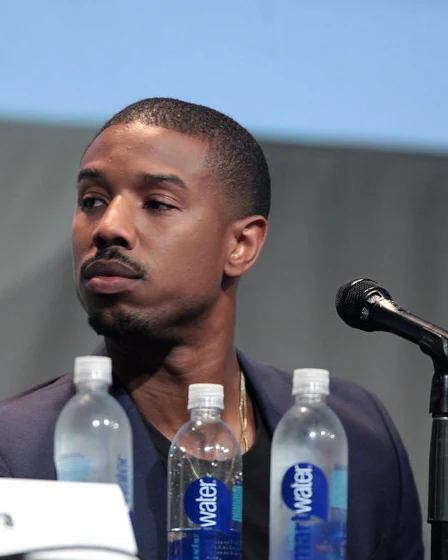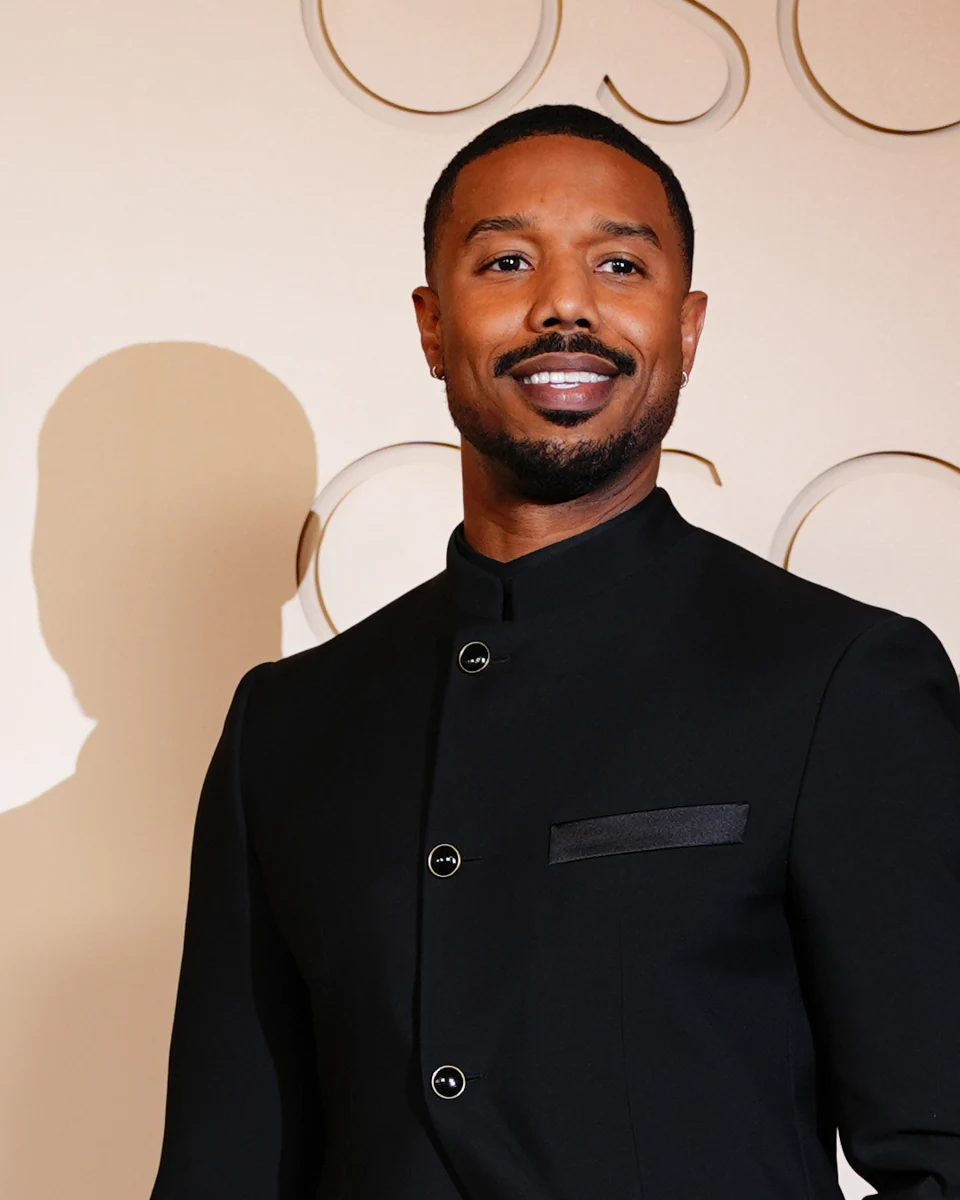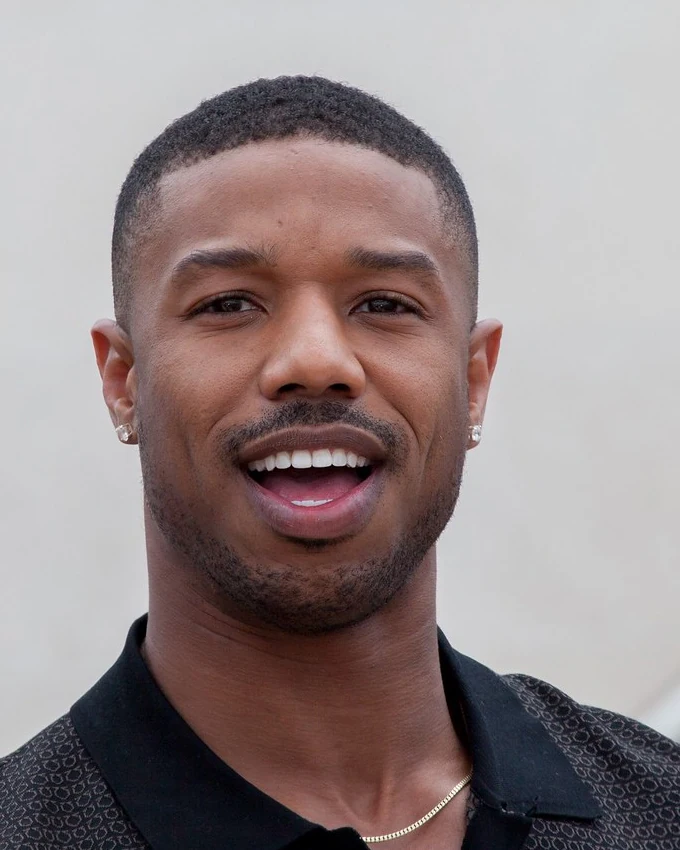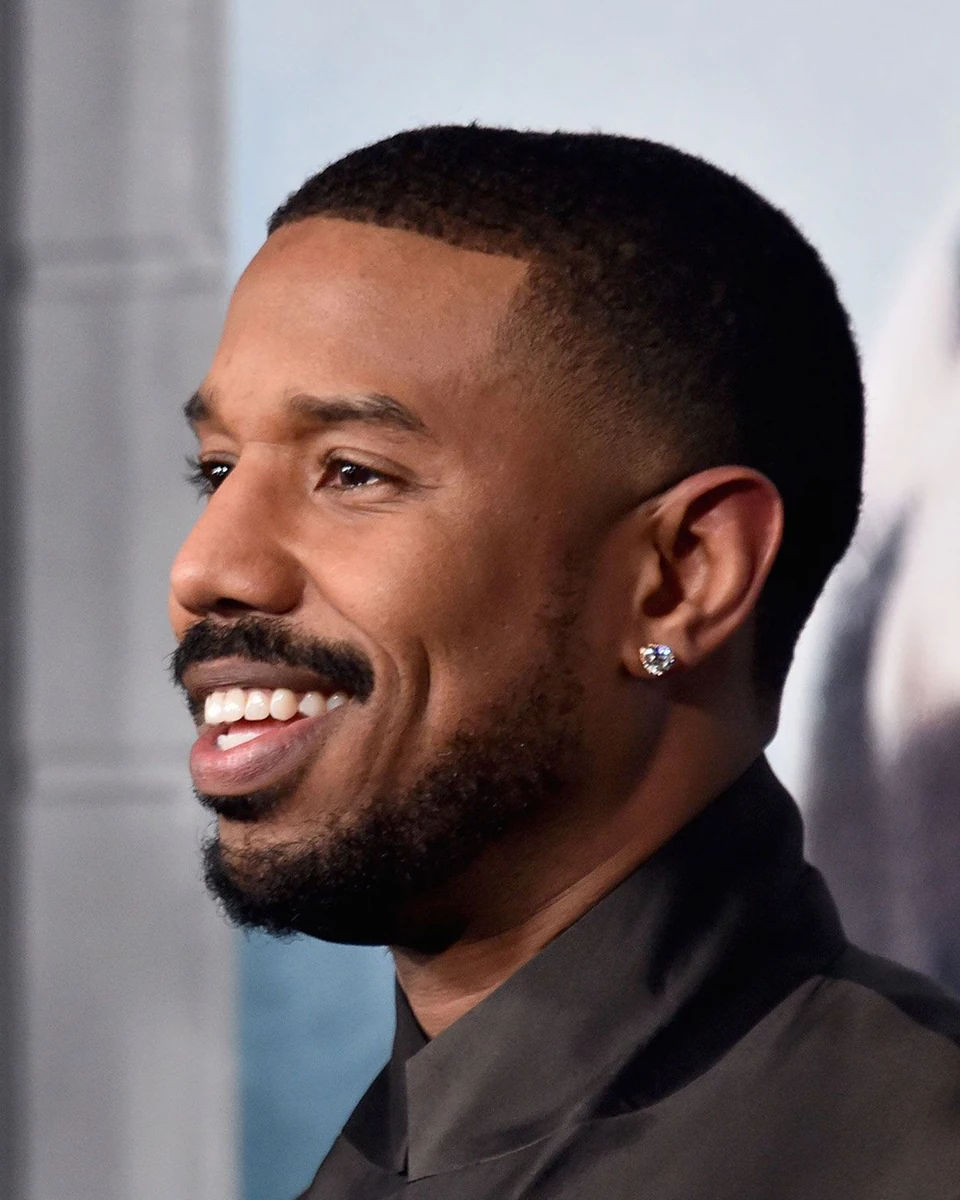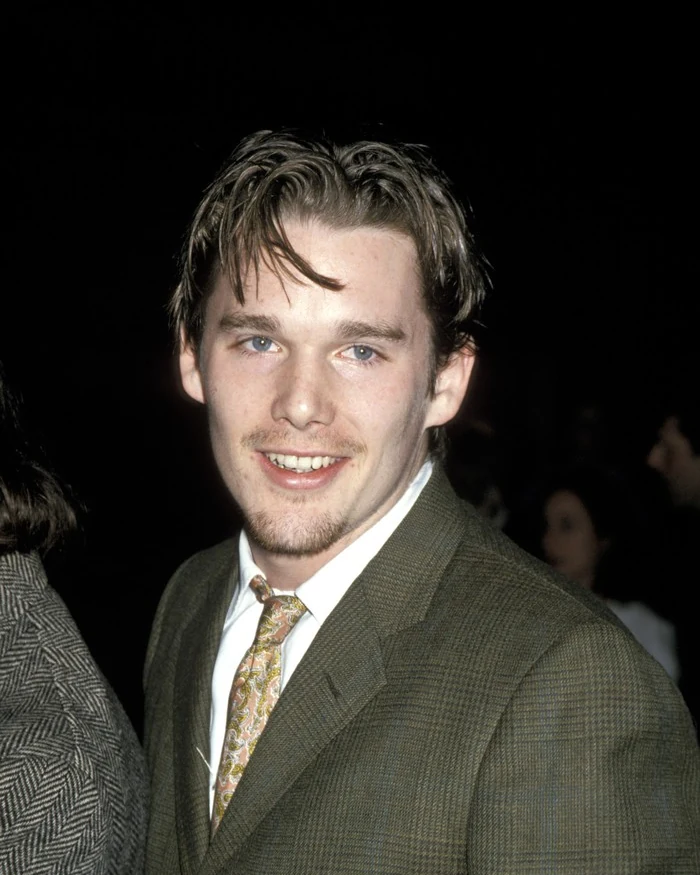
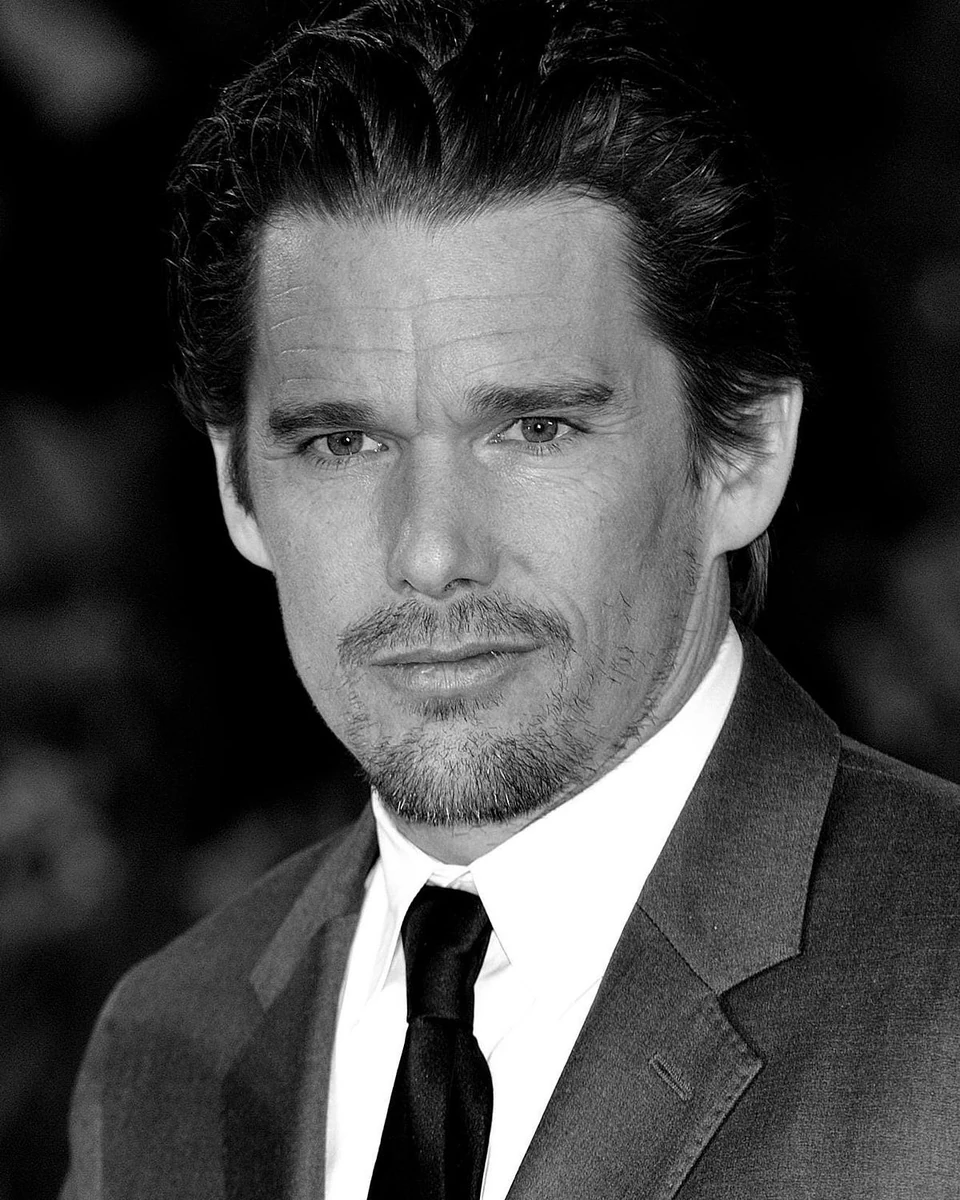
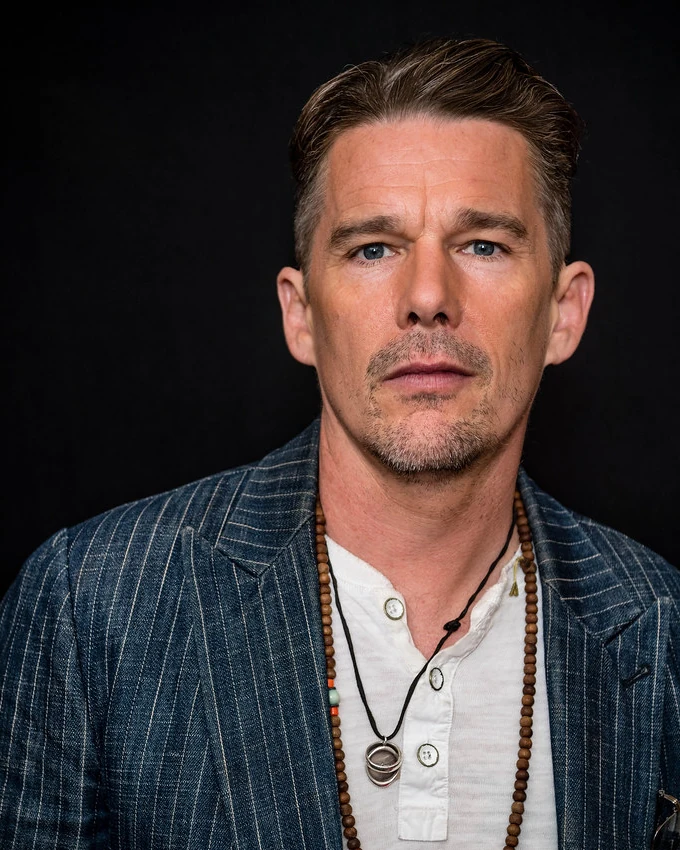
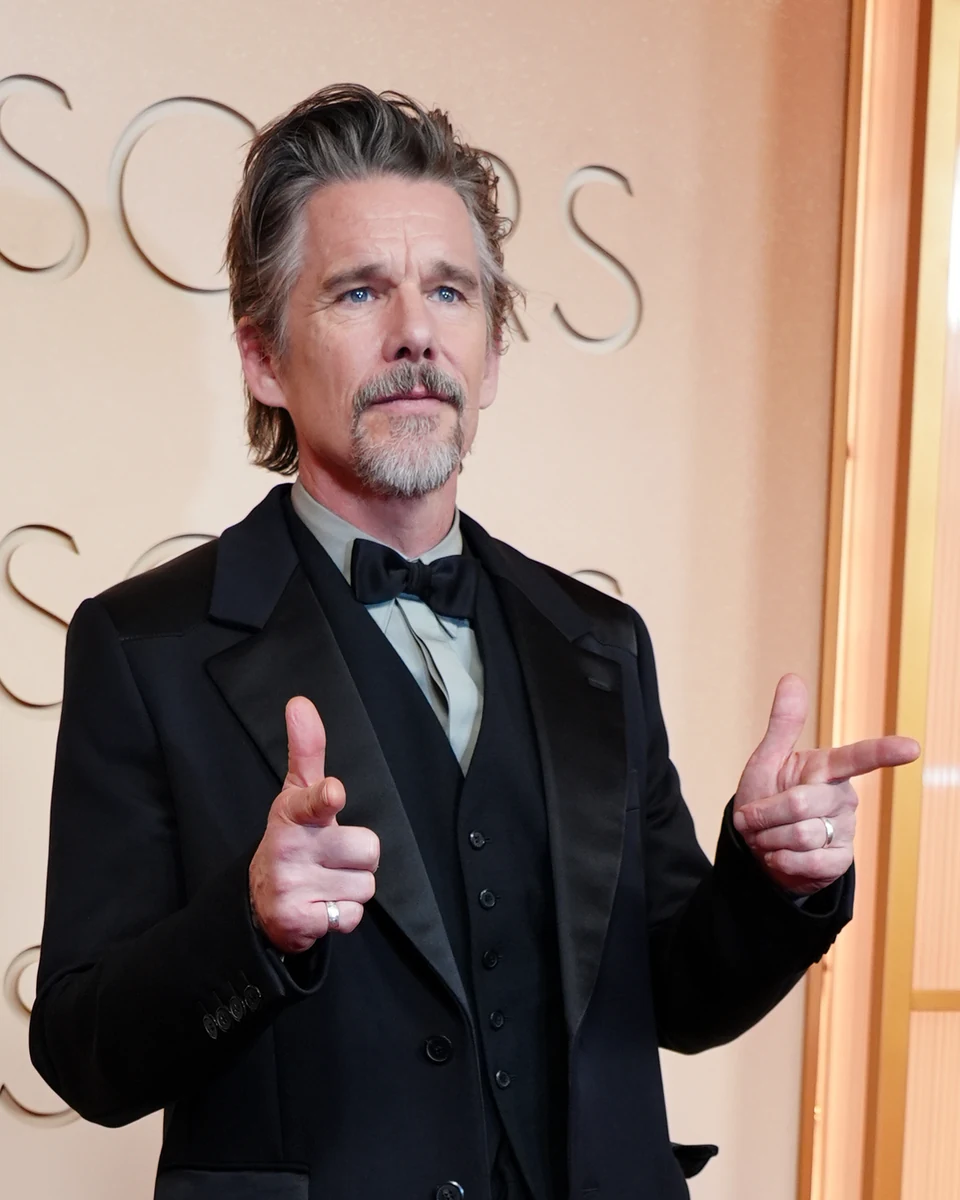
Ethan Hawke’s then-and-now photographs connect 1995, the year of Before Sunrise, with the Oscars on 15 March 2026. The earlier portrait belongs to the period when he became closely associated with thoughtful, restless young characters. The newer image shows him at an awards event after a career that has moved through independent films, thrillers, writing and directing. The years across the album also connect different kinds of screen experience.
Hawke is especially suited to this comparison because some of his best-known films make time their subject. Viewers have watched characters return older, carrying memories of earlier conversations. That gives a familiar face an extra meaning. You are not only remembering how an actor once looked; you may also be remembering a fictional person whose life seemed to continue between films.
Before Sunrise and the power of conversation
In Before Sunrise, Hawke and Julie Delpy play two people who meet while travelling and spend time together in Vienna. The central attraction is not a large external adventure. It is the growing sense that a conversation might change the importance of an otherwise ordinary day. The film asks the viewer to become interested in attention: who listens, who challenges a claim and who tries to appear less affected than they are.
BAFTA’s career conversation with Hawke identifies the 1995 film as the beginning of his collaboration with Delpy in the trilogy. That date gives the earlier portrait its career context. The portrait is a photograph of the actor in that year, rather than a production still labelled as a private moment in Jesse’s life.
The performance has to make talk feel like something being discovered, even though the film has a shaped story. Confidence may arrive before a character fully knows what he believes. A joke can be both sincere and protective. Hawke’s young screen presence is useful here because the audience can recognise someone trying out a version of himself in front of a new person.
A young actor before that defining romance
Hawke had already appeared in Explorers and Dead Poets Society before the Before films began. The Deauville festival biography places these early films in his career. For many viewers, the first remembered image is therefore a schoolboy struggling to speak, rather than a traveller willing to argue about life with someone he has just met.
That difference makes the films useful companions. A quiet character does not simply require the actor to do less. The audience still needs to understand attention, discomfort and the effort of deciding whether to participate. By contrast, a talkative character can hide uncertainty behind the ability to keep talking. Both offer ways of dramatising a person who has not settled into himself.
If you know only the older photograph, it is easy to describe this whole period as youthful charm. Watching the films makes the description more precise. Charm may be present, but so are awkwardness, hesitation and the need to be understood. These qualities give an early image emotional associations that a hairstyle or a suit alone cannot explain.
The years between the Before films
Before Sunset and Before Midnight return to the relationship introduced in Before Sunrise. The films allow the audience to compare memories of the characters with what they now say and do. This is a very different use of time from simply placing an old and a new photograph next to each other. The change becomes part of a continuing dramatic conversation.
The BAFTA retrospective announcement also documents Hawke’s collaboration with Richard Linklater and Delpy as writers. That matters because the performances and the words are closely linked. The returning characters are not just being placed into unrelated adventures. Their conversations keep revising what earlier experiences meant.
Try watching a later instalment soon after the first. Notice when a familiar manner of speaking now carries a different weight. An attractive uncertainty in a young person may become frustrating when other responsibilities are involved. A remembered connection may feel reassuring and insufficient at the same time. The films make those changes concrete without requiring the audience to stop recognising the people.
Pressure changes the familiar face
Hawke’s screen identity also works in stories where a conversation is dangerous. Training Day places a younger police officer alongside a more experienced figure whose authority becomes increasingly troubling. The audience has to follow the effort of understanding rules that may be corrupt. A readable reaction becomes essential: the viewer needs to see doubt developing even before the character can act on it.
In Gattaca, identity and ambition are organised inside a controlled speculative world. First Reformed creates a much more inward kind of pressure. These films are useful alternatives for someone who has come to think of Hawke only through the easy flow of the Before conversations. Stillness and restraint can become as important as speech.
The contrast is not a story of a romantic actor suddenly becoming serious. Early work can already contain complexity, and later films can still be playful. What changes is the task. One film asks whether two people can connect for an evening. Another asks what a person can trust or continue to believe. The face remains familiar while the dramatic problem becomes different.
Boyhood and another experience of time
Boyhood gives this profile a second important connection with time. The film was made across years rather than relying only on a conventional change of performers to show a child growing up. Hawke’s place in the story is part of a wider family picture. The interest comes from relationships changing through ordinary encounters as much as from the visible difference between the beginning and the end.
For an actor in such a film, the challenge is not simply to look older. The audience needs to recognise a continuing person while seeing new circumstances in how he relates to others. The performance lives inside brief meetings, conversations and adjustments. A small change of responsibility can be more meaningful than a dramatic declaration.
That is one reason Hawke’s photographs connect so naturally to his work. Cinema has allowed viewers to observe both the real passage of years and fictional accounts of what those years might contain. The two experiences overlap without becoming identical. Hawke’s life is not Jesse’s, and an awards portrait does not tell us what happened between the scenes of a film.
Reading the 2026 photograph
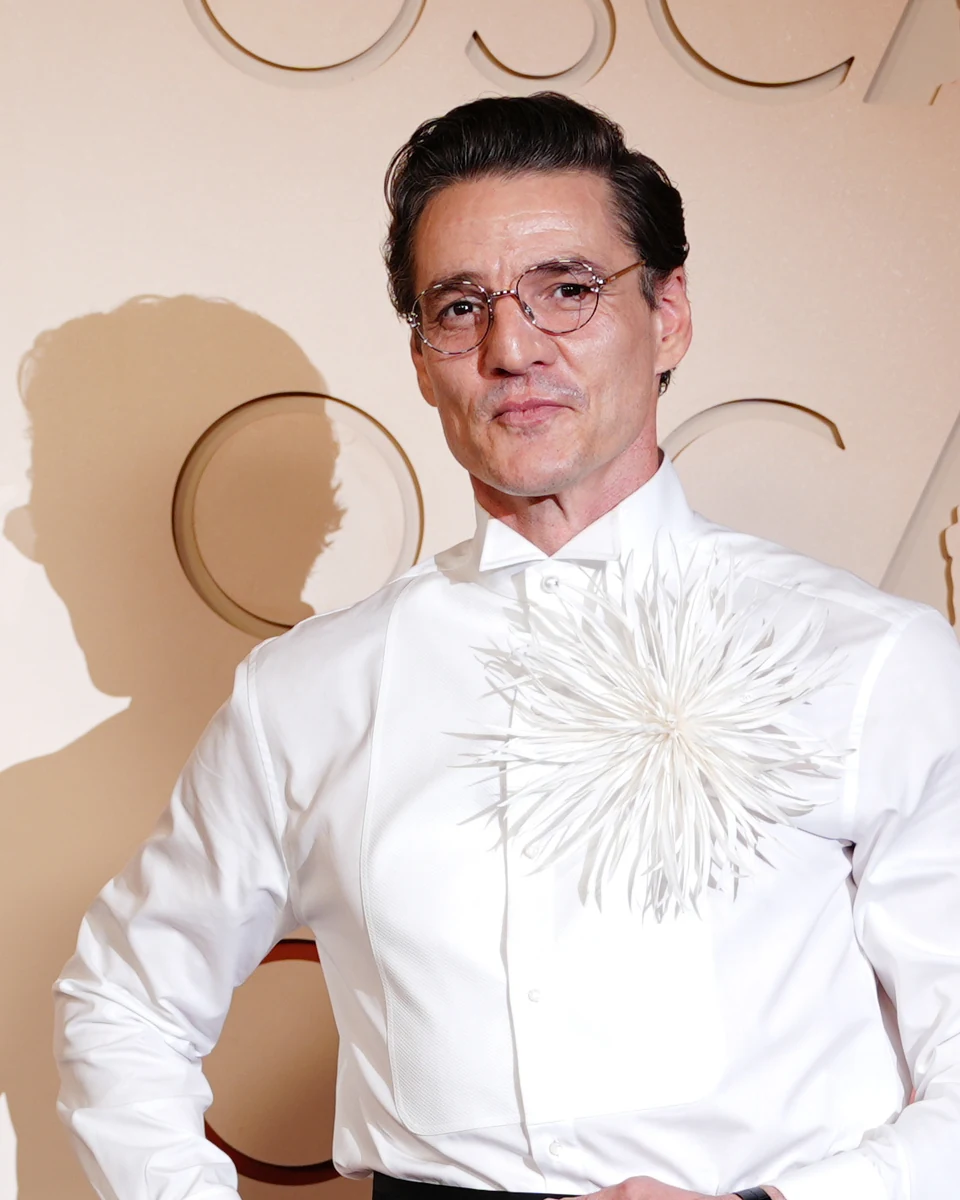
The current image records Hawke arriving at the Academy Awards in Los Angeles on 15 March 2026. The event gallery identifies the date and occasion. It gives a documented answer to what he looked like at that public appearance, without pretending to represent every day or every role in the year.
When comparing it with 1995, look at styling and gesture as well as the face. Facial hair, clothing and the exact instant of expression affect the impression. A photograph can catch someone mid-gesture and make a relaxed moment look theatrical. The historical portrait is another selected instant, with its own lighting and circumstances. The years are real, but the pictures are also choices.
For a compact viewing route, begin with Before Sunrise, add Training Day for a different kind of uncertainty, and return through Before Sunset or Boyhood for a study of time. Leonardo DiCaprio’s profile offers another path from youthful fame to complicated leads. Benicio del Toro’s comparison explores a different use of silence and screen presence. Hawke’s story rewards the same attention his characters often seek: a willingness to look and listen a little longer.