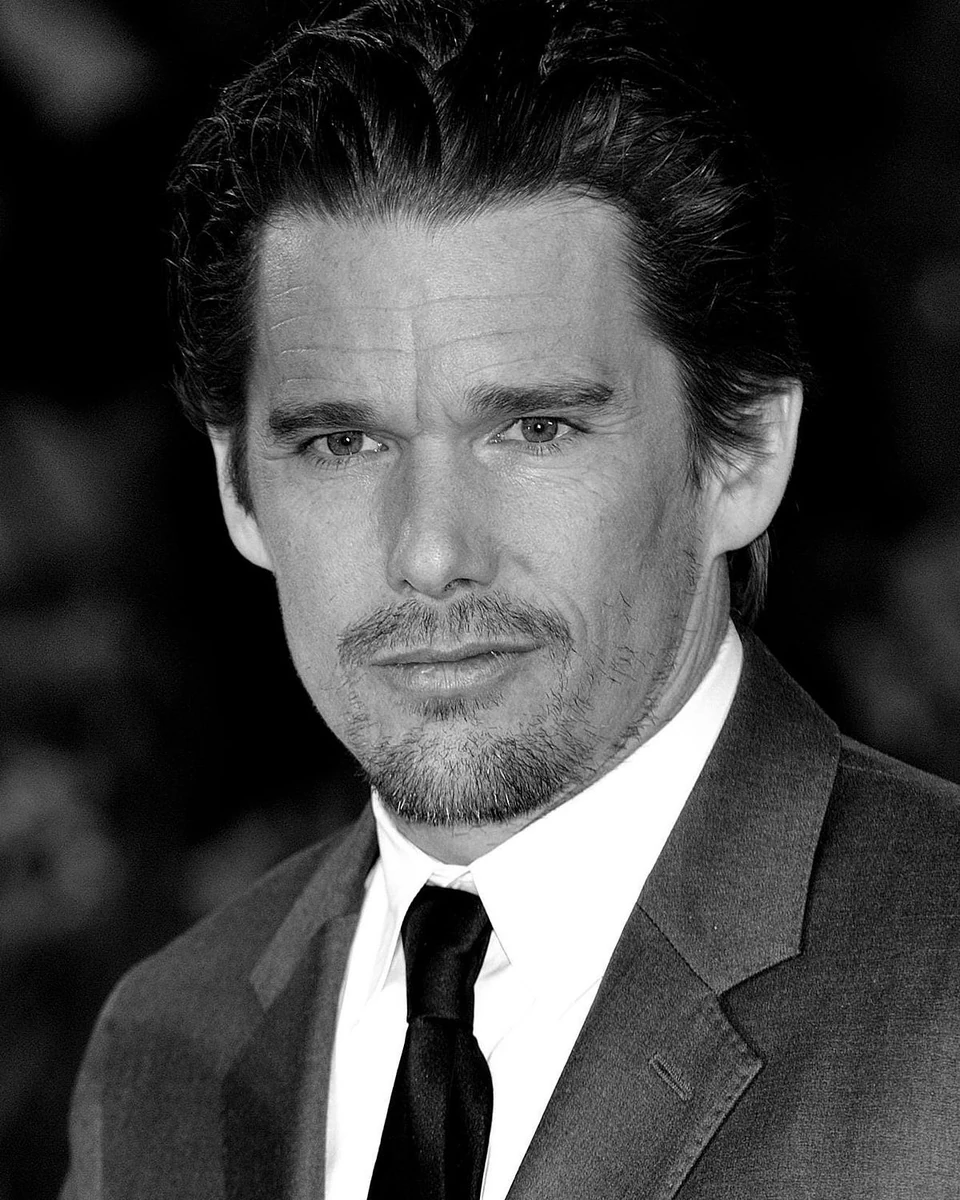


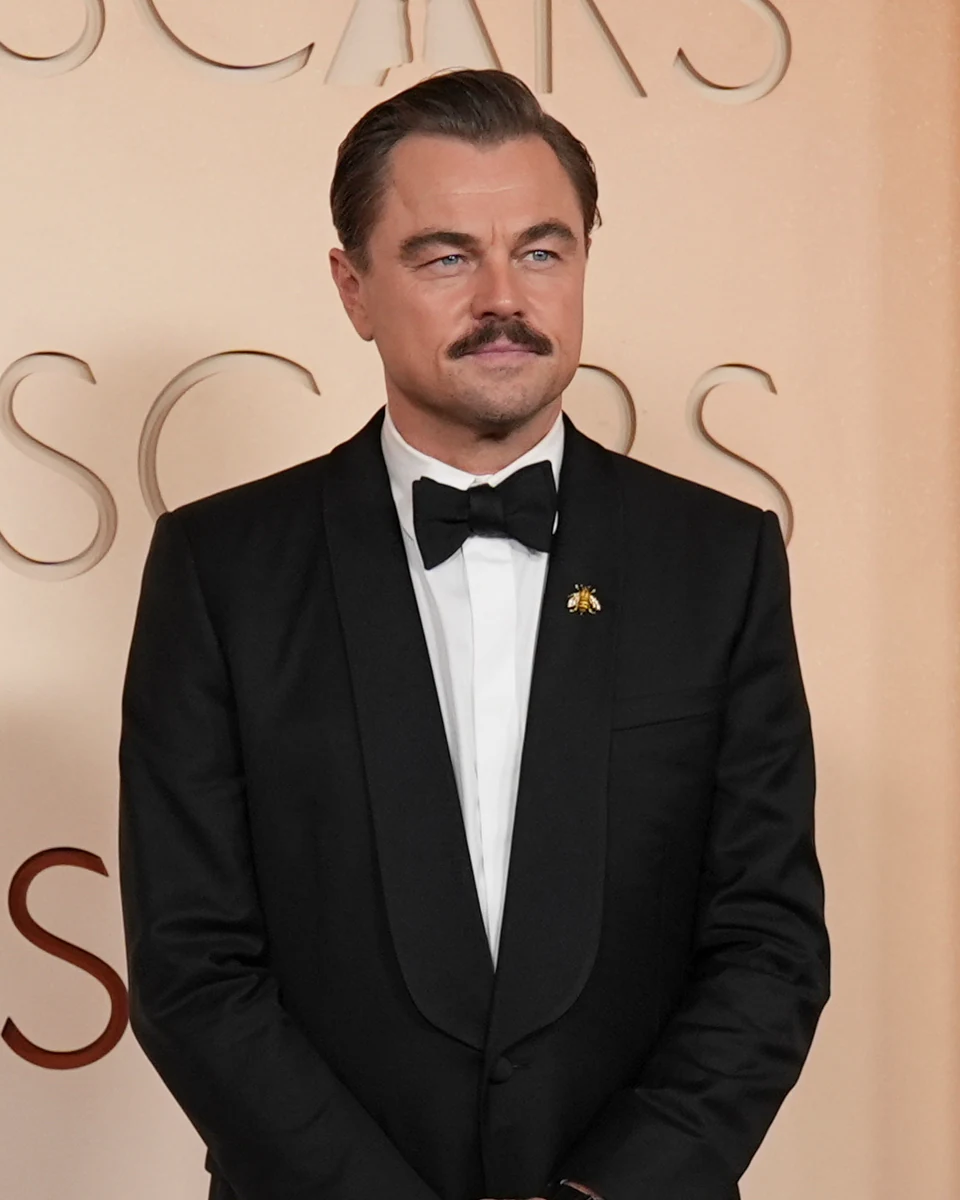
Leonardo DiCaprio’s then-and-now comparison connects the young leading man associated with Titanic to the actor photographed at the Oscars on 15 March 2026. The earlier portrait is from 2000, after the film had made him a worldwide name. It is a photograph of DiCaprio in that period, rather than a still of Jack Dawson. Keeping that distinction makes the comparison much easier to understand.
The face is familiar, but the screen identity surrounding it has changed. Many viewers first remember the romantic hero with the centre-parted hair. Later audiences may think first of a troubled investigator, a wealthy fraudster, an obsessive businessman or a man fighting to survive. Those memories can make the earlier and recent pictures feel further apart than the calendar alone suggests. The useful story is how one performer built those different associations.
Why the Titanic period belongs in this comparison
Titanic, released in 1997, gives this profile its main historical reference. DiCaprio plays Jack Dawson opposite Kate Winslet’s Rose, under James Cameron’s direction. The romance gives a huge disaster film an immediate personal centre. Viewers do not have to understand the ship’s engineering to understand the relationship or fear losing it. The studio’s film page confirms the year, characters and principal cast.
Jack is also an unusually portable star-making role. His curiosity, teasing confidence and willingness to cross social boundaries are easy to recognise across languages. A viewer may forget supporting characters while remembering the drawing, the staircase or the two lovers at the ship’s bow. DiCaprio’s youthful appearance became attached to that shared visual memory. That helps explain why a later photograph can immediately bring the film back.
Calling this a major period does not mean it was his only achievement. It identifies the moment that made the earlier image especially recognisable. A photo from 2000 belongs to the years immediately following that breakthrough. It should not be labelled “DiCaprio in 1997” simply because Titanic is the reason for choosing it. Photograph dates and movie dates answer different questions.
Before Jack Dawson: a different kind of young actor
There is a reason DiCaprio’s early career is worth exploring beyond one romance. In What’s Eating Gilbert Grape, he is part of an intimate family story; in Romeo + Juliet, he brings Shakespeare’s young lover into a noisy, modern-looking world. These parts put vulnerability and intensity in different settings. They also show that the interest around him did not begin with a single blockbuster.
Watch the difference in how a scene asks you to look at him. A family drama may invite attention to a small reaction at the edge of an argument. A highly stylised romance can put the actor at the centre of music, movement and colour. In Titanic, both scales matter. The film needs a convincing private connection as well as a presence strong enough to carry a spectacle. That combination helps make Jack memorable.
For someone starting with the photographs, this is a useful viewing route: begin with one early drama, then watch Titanic. You will notice abilities that a simple “young heartthrob” label leaves out. You will also understand why becoming enormously famous can narrow the public’s picture of an actor even while the performances themselves show a wider range.
The move towards complicated leading men
Later films change the relationship between DiCaprio and the audience. In Catch Me If You Can, charm is part of a character’s ability to deceive. In The Aviator, ambition and control become central concerns. The Departed places him inside a world where acting convincingly can be a matter of survival. The handsome young lead is still recognisable, but the stories use that familiarity in less comfortable ways.
This is a helpful distinction when people describe a star as having “changed completely”. The change may be partly in the roles. A charming gesture can feel romantic in one film and manipulative in another. A look of concentration can suggest curiosity, fear or obsession depending on what the audience knows. The performer brings a recognisable presence; the film teaches us how to read it.
His work with directors such as Martin Scorsese and Christopher Nolan also gives viewers different visual worlds to remember. Inception surrounds a grieving central character with an elaborate puzzle. The Wolf of Wall Street makes excess noisy and exhausting. Neither is simply an older version of Jack Dawson. Each offers a new way to organise the same actor’s energy, speech and physical presence.
A later milestone: The Revenant
DiCaprio won the leading actor Oscar for The Revenant at the ceremony held in 2016, honouring films released in 2015. The Academy’s record is the clearest place to separate the film year from the award year. This was another major landmark, considerably later than the fame associated with Titanic.
The two roles make an instructive comparison. Jack often connects through conversation, playfulness and the promise of a different life. The Revenant asks viewers to follow a character through physical danger, isolation and a harsh environment. It is a different kind of leading performance, with less dependence on easy sociability. Watching both gives more information about his career than deciding which photograph looks better.
An award records recognition at a particular moment. It does not turn the rest of a filmography into a straight climb towards that prize. Someone may prefer the precision of a smaller scene in another film, or feel a stronger connection to an earlier character. Those preferences are part of watching cinema. A career can have several important peaks measured in different ways.
Reading the 2026 photograph
The current image shows DiCaprio arriving at the Academy Awards in Los Angeles on 15 March 2026. Its value is straightforward: it is a dated public appearance. The event gallery identifies the person, occasion and date. It is not a character portrait, an image generated to show ageing or a claim about his appearance on every day of the year.
Start with the whole composition. Clothing, facial hair, hairstyle and the way someone stands influence the impression before you focus on the face. Then consider the setting. An awards arrival is designed for cameras and formal clothing. An older publicity or festival image may have different light, distance and image quality. Those are visible features of the pictures, not clues from which to invent a personal story.
The comparison is most interesting when it brings back a memory: the first DiCaprio film you watched, a role that surprised you, or a performance you had not connected with the same actor. Looking older is not the plot. The movement from one kind of screen presence to another is what gives these photographs their context.
What to watch after looking at the photos
Choose films that ask different things of him. Titanic offers romance within spectacle. Catch Me If You Can places charm inside a story about deception. The Departed creates pressure through divided loyalties. The Revenant changes the balance again by making environment and physical struggle central. This is a compact route through distinct kinds of leading roles, rather than a ranking of everything he has made.
If you are exploring other long careers, compare this story with Ethan Hawke’s path through independent cinema or Nicole Kidman’s move between musical spectacle and intimate drama. The photographs open the door. The films explain why the faces stayed in public memory.