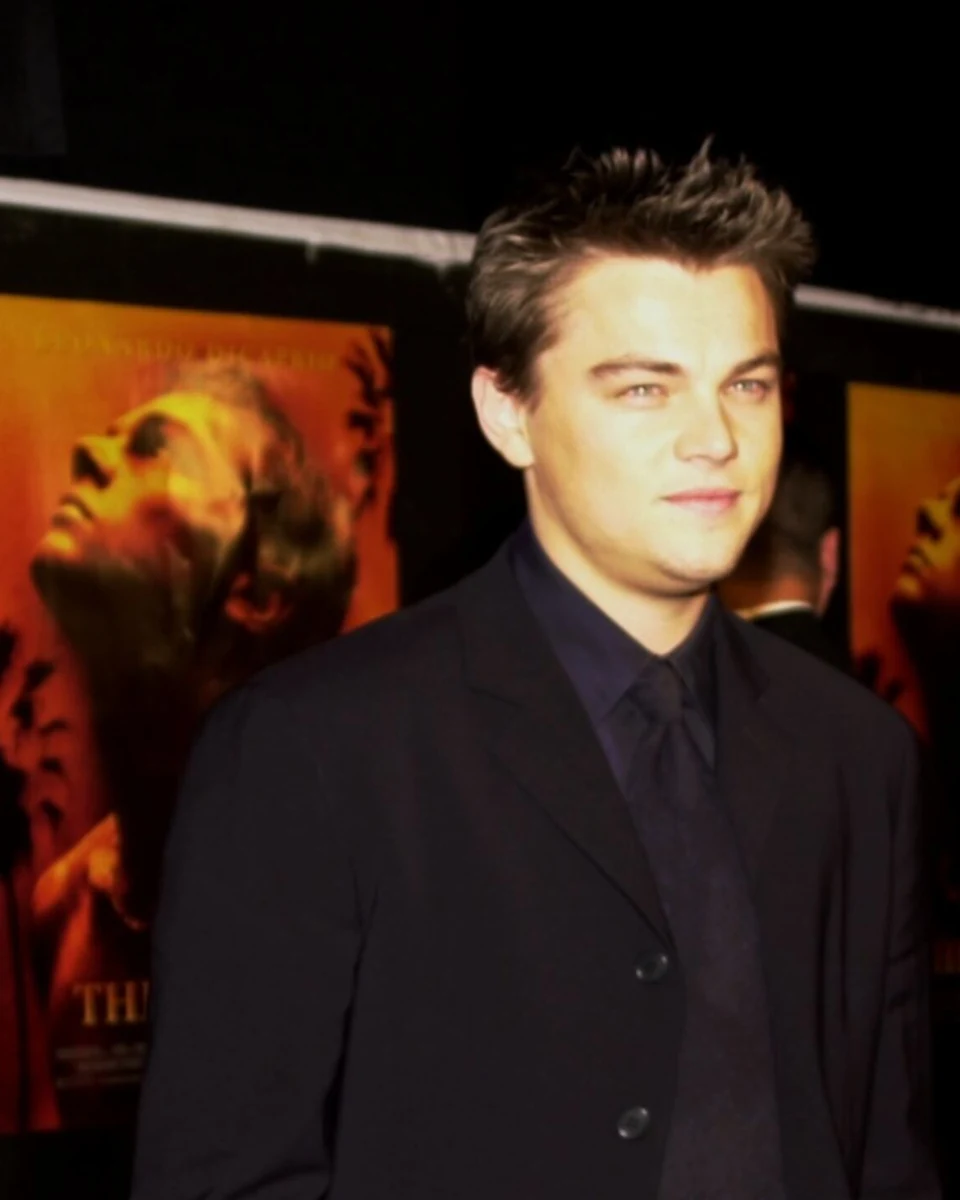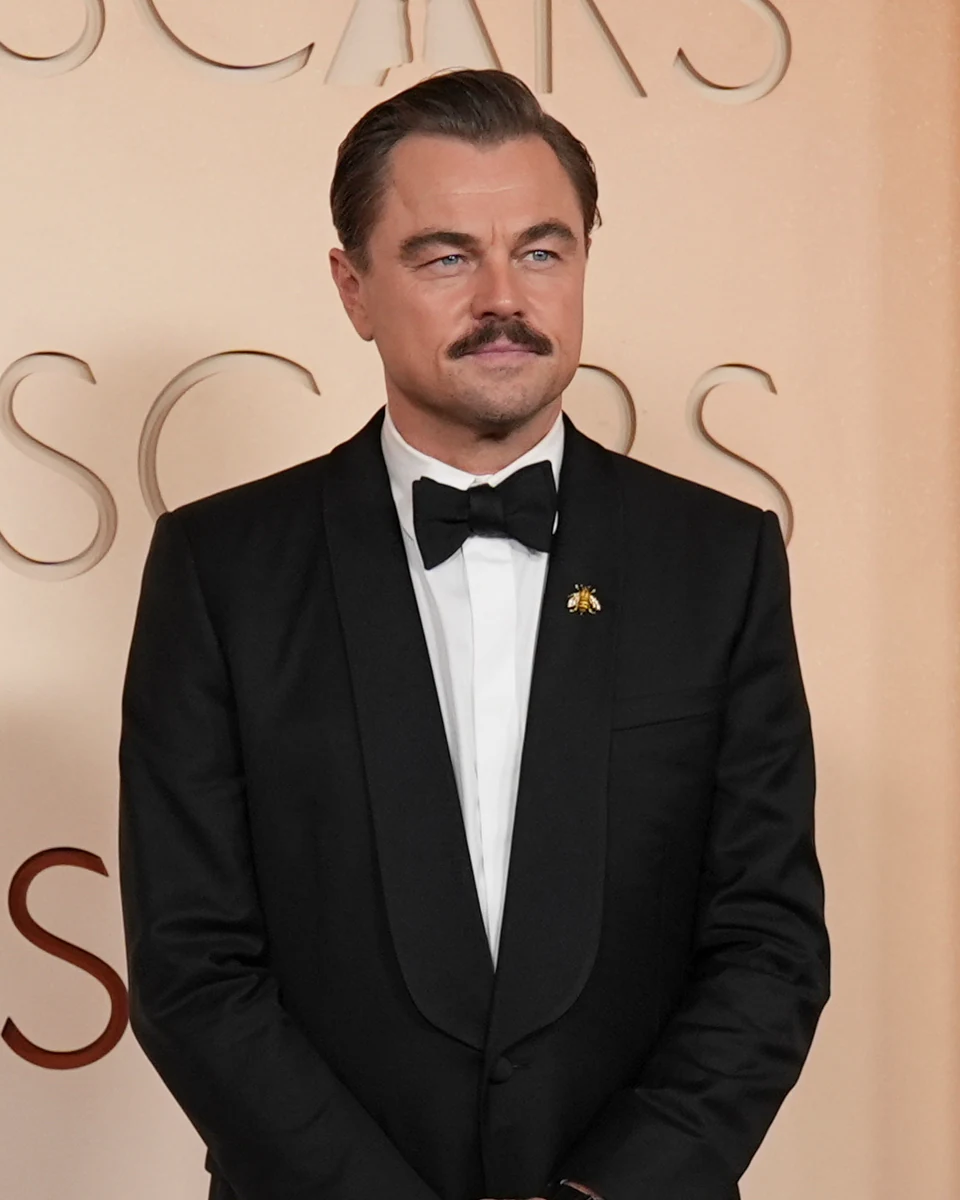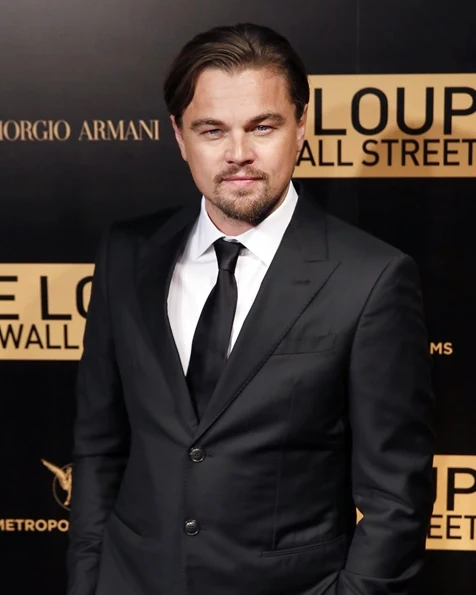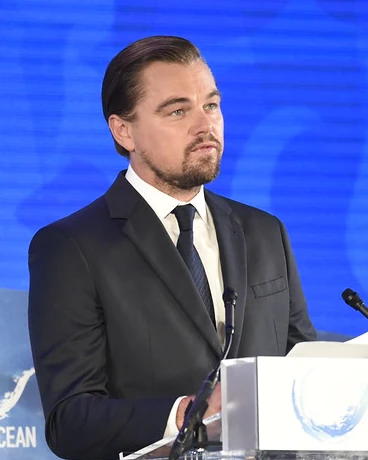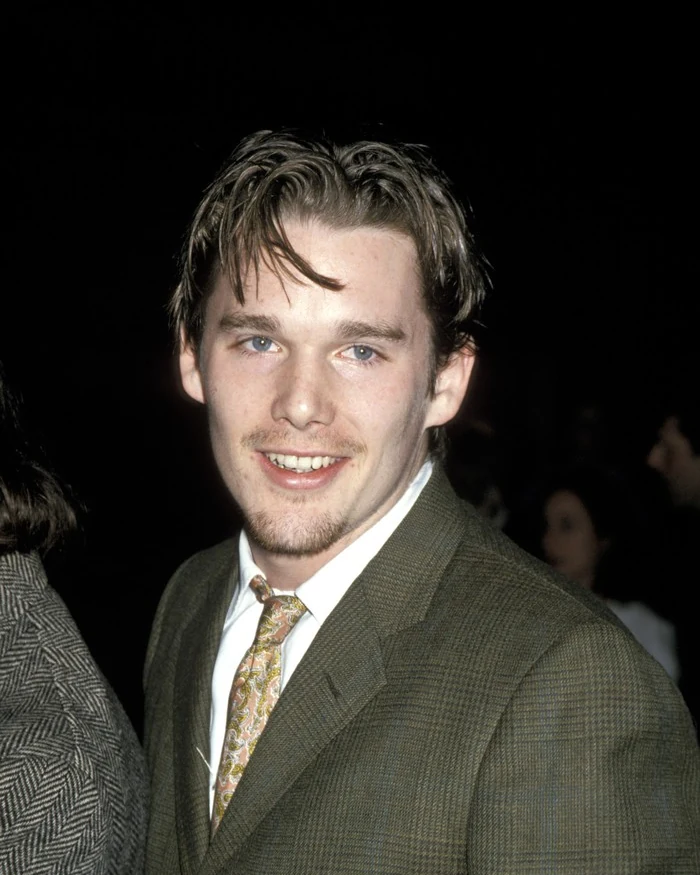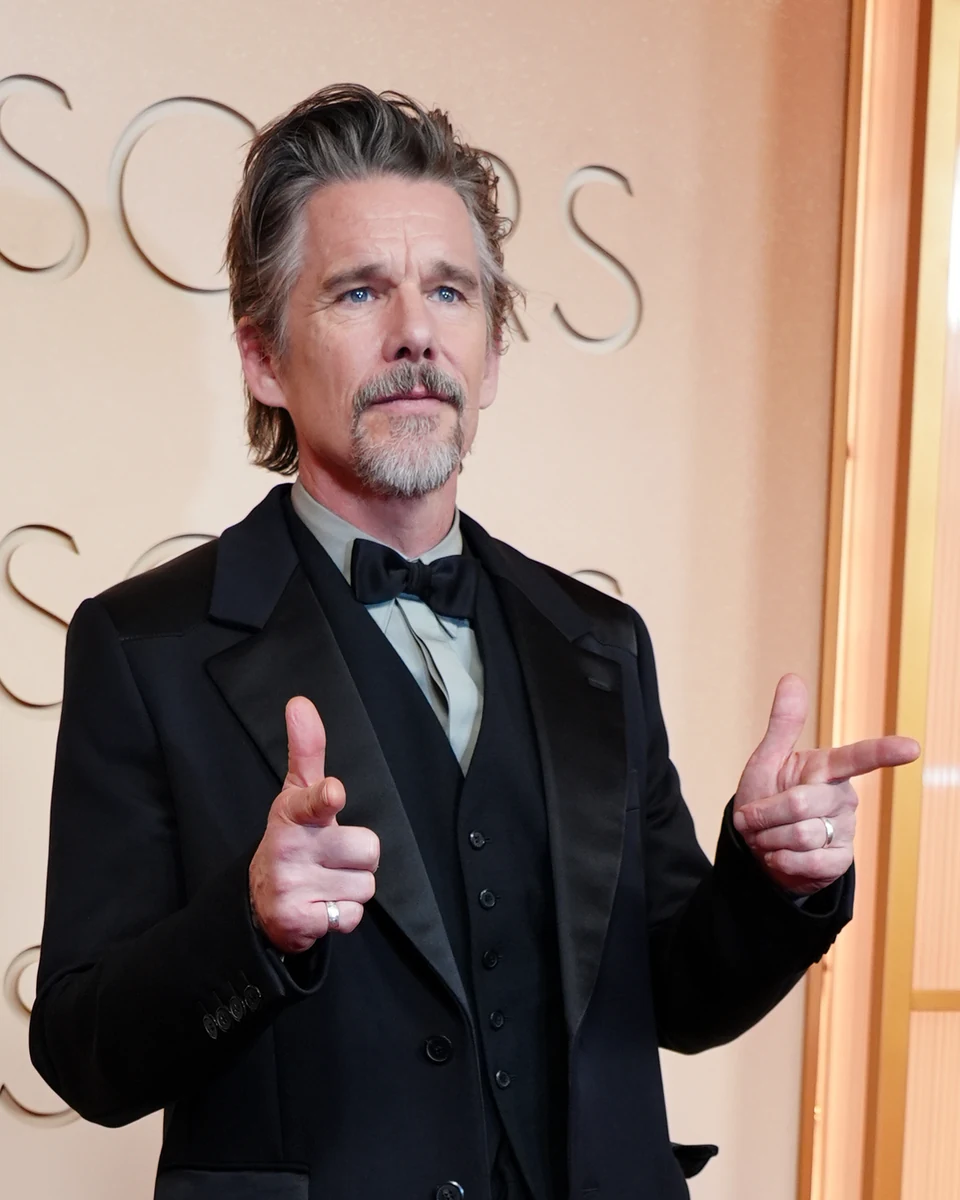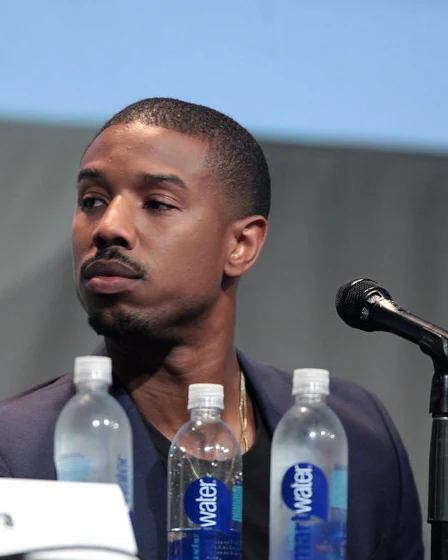

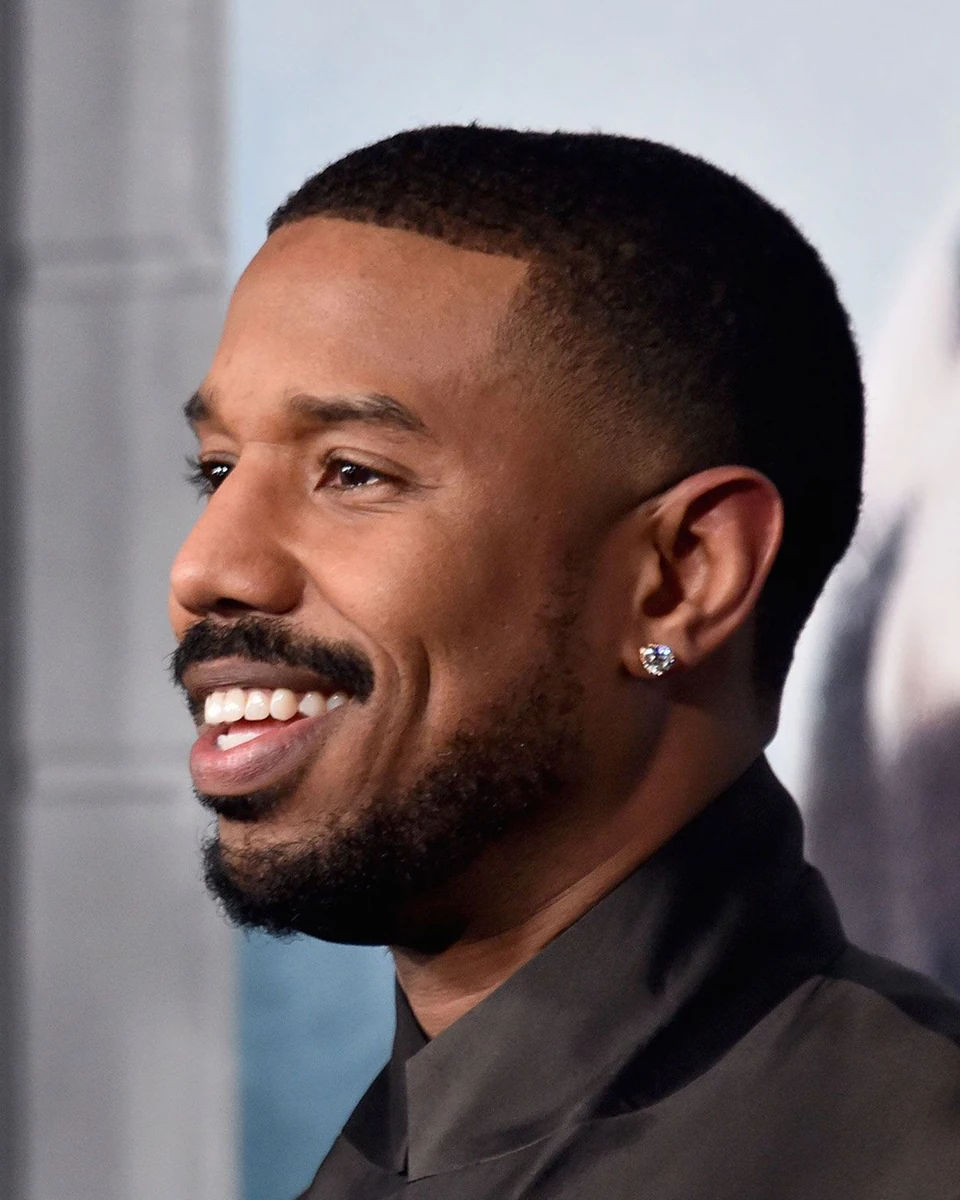
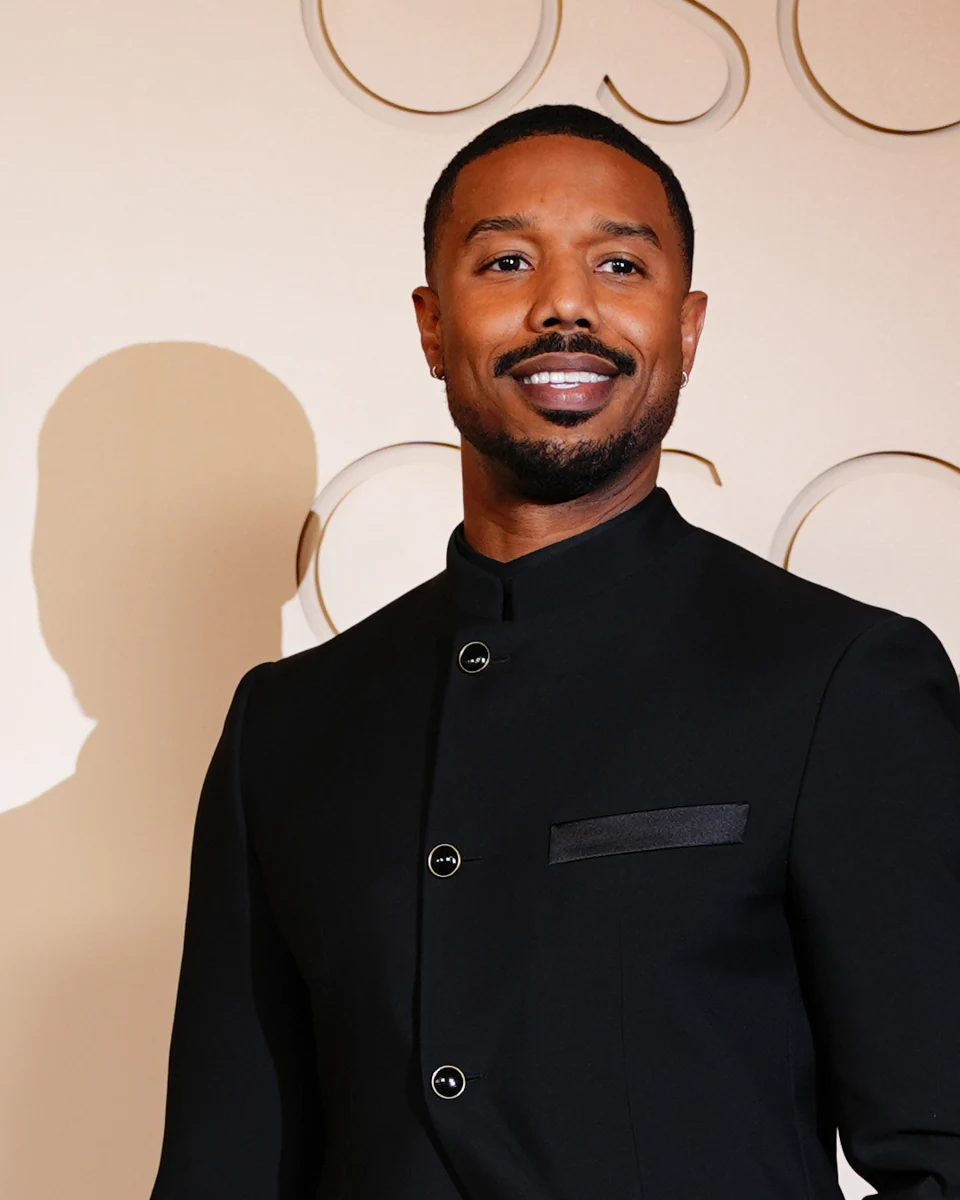
Michael B. Jordan’s then-and-now comparison begins in 2015, the year of Creed, and reaches the Oscars on 15 March 2026. The earlier photograph belongs to a period when he was establishing himself as a major film lead. The current picture records an awards arrival on the night he won the leading actor Oscar for Sinners. In his case, the newer photograph belongs to a major career peak of its own.
This makes a simple rise-and-decline reading especially unhelpful. The photographs show different stages of a career still producing important landmarks. The interest lies in what changed across the years: the kinds of characters, the scale of the films and the amount of responsibility Jordan carried on screen and behind the camera. A familiar face connects the chapters, but the work gives each chapter its particular meaning.
Why Creed is the starting point
In Creed, Jordan plays Adonis, a young boxer connected to the history of Apollo Creed and Rocky Balboa. The MGM film page identifies Jordan’s role, Ryan Coogler’s direction and the 2015 release. The film needs to introduce a new central figure inside a world that many viewers already know, while also working for someone meeting that world for the first time.
That is a demanding kind of leading role. The actor must make inherited history matter without letting it replace the present character. Adonis has to be interesting because of what he wants and how he behaves, not simply because of a surname. Jordan’s performance gives the audience a person trying to decide what connection with the past should mean for his future.
The physical setting is only part of the appeal. Boxing scenes make effort visible, but the quieter exchanges establish why that effort matters. The audience needs to understand pride, uncertainty and the difficulty of accepting help. The earlier photograph recalls the moment this combination became central to Jordan’s public screen identity. It is an event image from the year, rather than a still of Adonis training.
Fruitvale Station and a different scale
Before Creed, Jordan had already worked with Coogler on Fruitvale Station. The Lionsgate record dates the film to 2013 and identifies Jordan’s portrayal of Oscar Grant. It is a much more intimate starting point for understanding the collaboration than a sports franchise or a superhero film.
The film’s attention to a person’s ordinary day asks the viewer to care about small encounters. An actor has to suggest relationships that exist beyond the immediate scene: someone is a parent, a partner, a friend and a person trying to manage a difficult situation. The performance cannot rely only on the audience recognising a famous name. It needs the weight of a life that feels particular.
Watching it alongside Creed shows how a collaboration can develop without repeating the same story. The scale changes, but the audience still follows a person whose future is bound up with family, history and the way other people see him. Those connections help explain why a young actor’s career can feel coherent even as the genres become very different.
Killmonger changes the use of his screen presence
In Black Panther, Jordan plays Erik Killmonger. A Smithsonian collection record identifies him in the character’s costume alongside Coogler in a production image. The film places him in a large fictional world, but the performance still needs a specific emotional drive. Physical confidence alone would leave too little for the audience to think about.
The character’s presence creates a useful contrast with Adonis. Both may enter a space with determination, but the surrounding choices change what that determination means. In one story, the audience is invited to accompany a young man learning how to carry a legacy. In another, the challenge is to understand a forceful antagonist without confusing understanding with agreement.
This is one of the clearest ways to watch Jordan across roles. Pay attention to what happens when confidence meets resistance. Does the character listen, press harder, retreat or change tactics? The difference can appear in a short exchange long before a large confrontation. The photographs may recall the look of a period; the performances explain how that look becomes a person in a story.
From leading actor to director
Jordan also directed Creed III, continuing in the central role. The MGM page for the film supplies a useful reference for this later chapter. Returning to a familiar character while taking on direction changes the professional task. The film has to work as a whole, including the performances around the lead, the pacing and the relationship between action and private scenes.
For viewers, this gives the Creed films an additional line of interest. You can follow the character’s development while also considering how the story is presented. Which exchanges receive time? When does the camera emphasise the pressure of a fight, and when does it return attention to the relationships that make the fight matter? These choices help shape what the audience feels.
It is best to discuss that expansion of responsibility without pretending a photograph can show it. A person can look composed in two images while doing very different professional work in the years between them. The meaning of the comparison comes from attaching the photographs to a documented career, rather than asking appearance to supply the missing information.
Sinners and the 2026 milestone
At the 98th Academy Awards, Jordan won the leading actor award for Sinners. The Academy’s 2026 record confirms that result. This is particularly relevant to a page using a photograph from the same event. The picture does not merely provide a recent face beside an old one; it sits at another important point in the professional story.
In Sinners, Jordan plays twin brothers. That creates a performance problem distinct from returning to one established character. The audience needs to recognise two people with a shared history and different qualities, rather than simply admire the technical effect of one actor appearing twice. Voice, rhythm, behaviour and relationships all help make the distinction understandable.
For someone discovering Jordan through this later work, Creed may therefore become the earlier film to seek out rather than the main point of recognition. Careers are experienced in different orders. The date of a breakthrough does not tell us when each viewer first paid attention. A well-labelled comparison leaves room for those different paths.
What the photographs invite you to notice
The current image is a documented Oscars arrival from 15 March 2026 in Los Angeles, identified in the event gallery. The earlier image is from 2015. Their settings differ, and so do their lighting, camera distance and styling. They are real moments selected for comparison, rather than photographs made as a controlled experiment.
Start with the visible presentation: expression, posture, hair and clothes. Then connect each date with the work being discussed. This gives a useful answer to the question “then and now” without inventing a private routine or treating an actor’s body as a puzzle the audience is entitled to solve. The films offer more interesting questions about choices, collaboration and performance.
For a viewing route, choose Fruitvale Station, Creed, Black Panther and Sinners as contrasting examples, rather than a ranking. Each changes Jordan’s relationship with the audience. Continue with Pedro Pascal’s movement across television and film or Leonardo DiCaprio’s different stages of leading-man fame. Jordan’s paired portraits show a clear span of time, but the later milestone also shows why a career’s most important chapter need not be the earlier one.