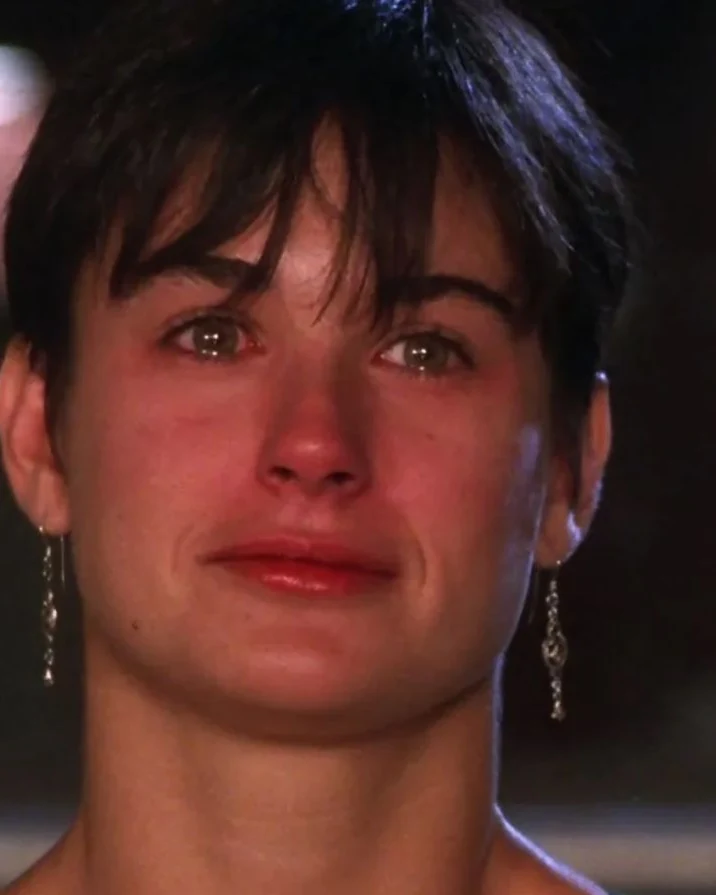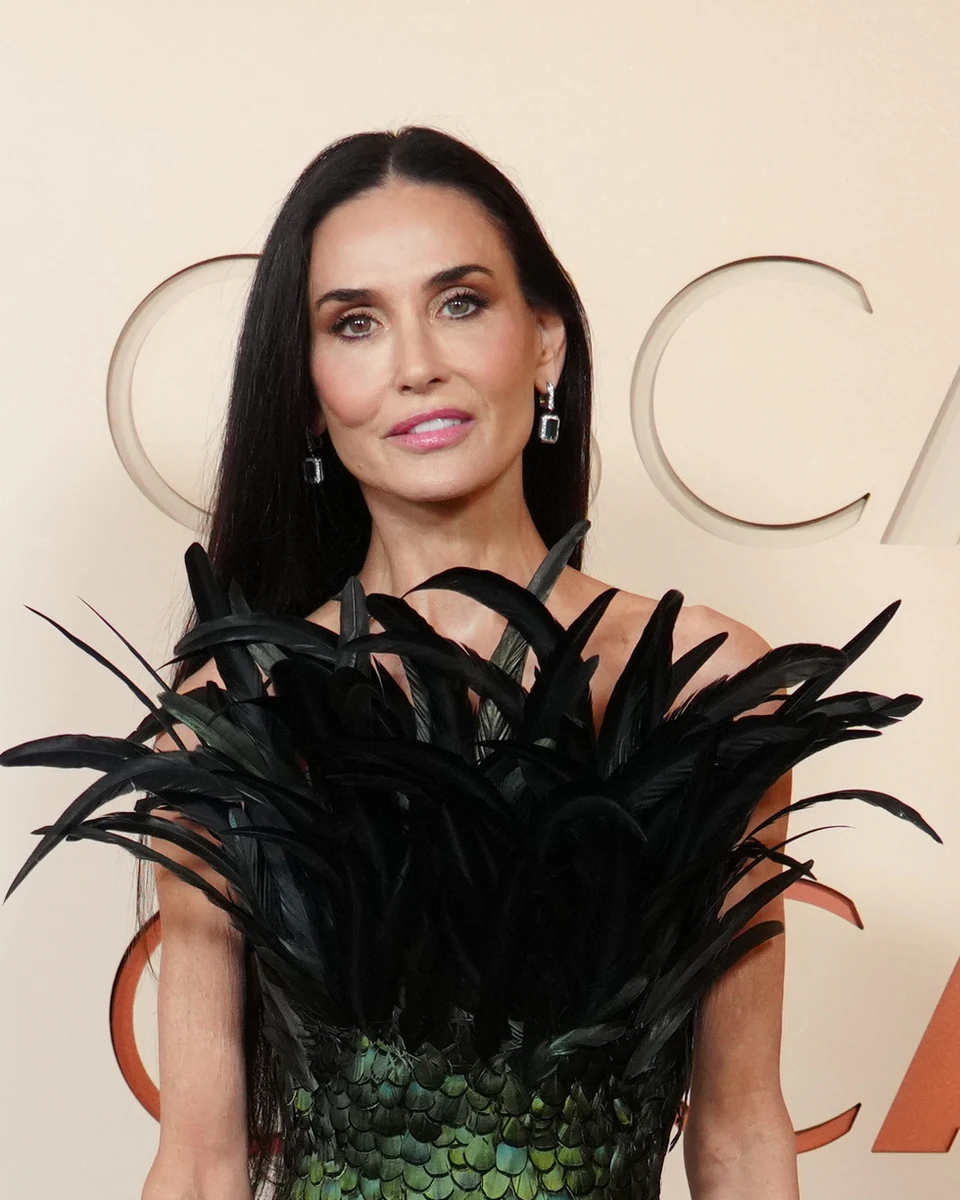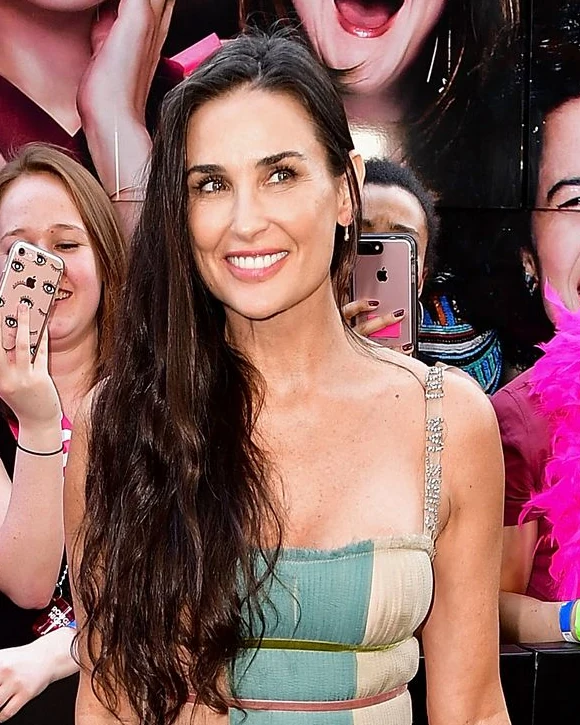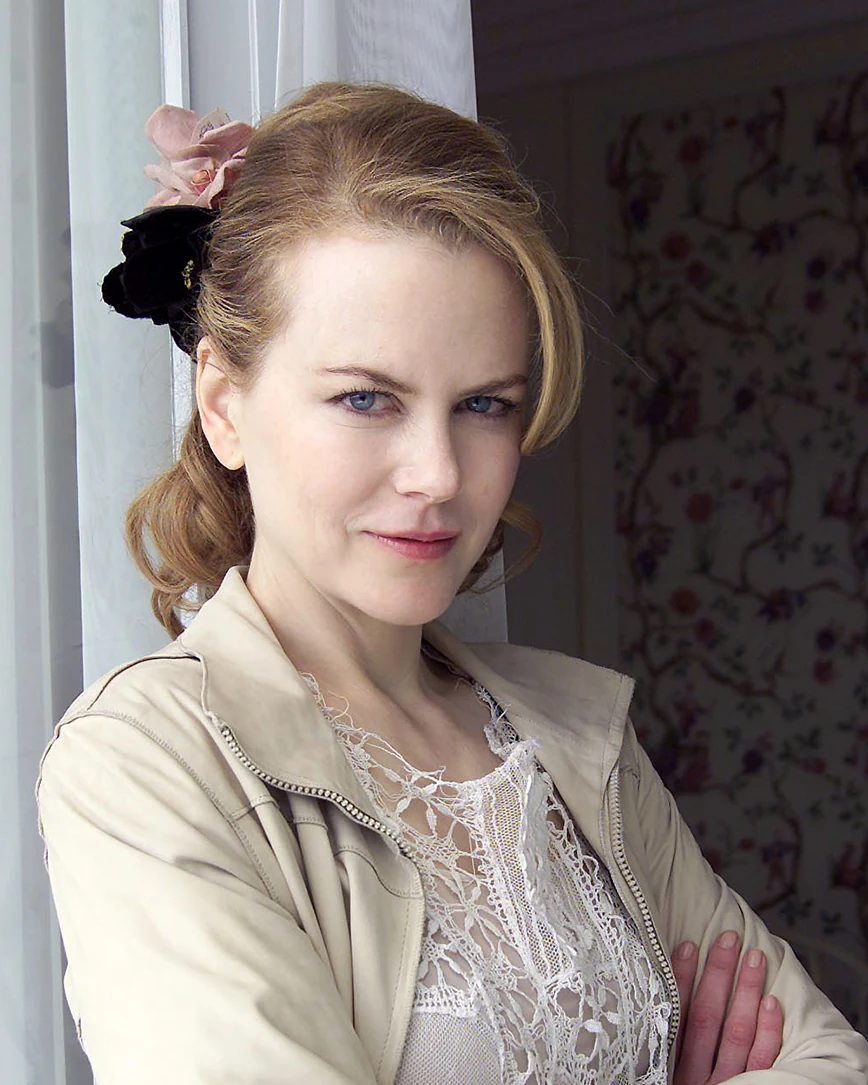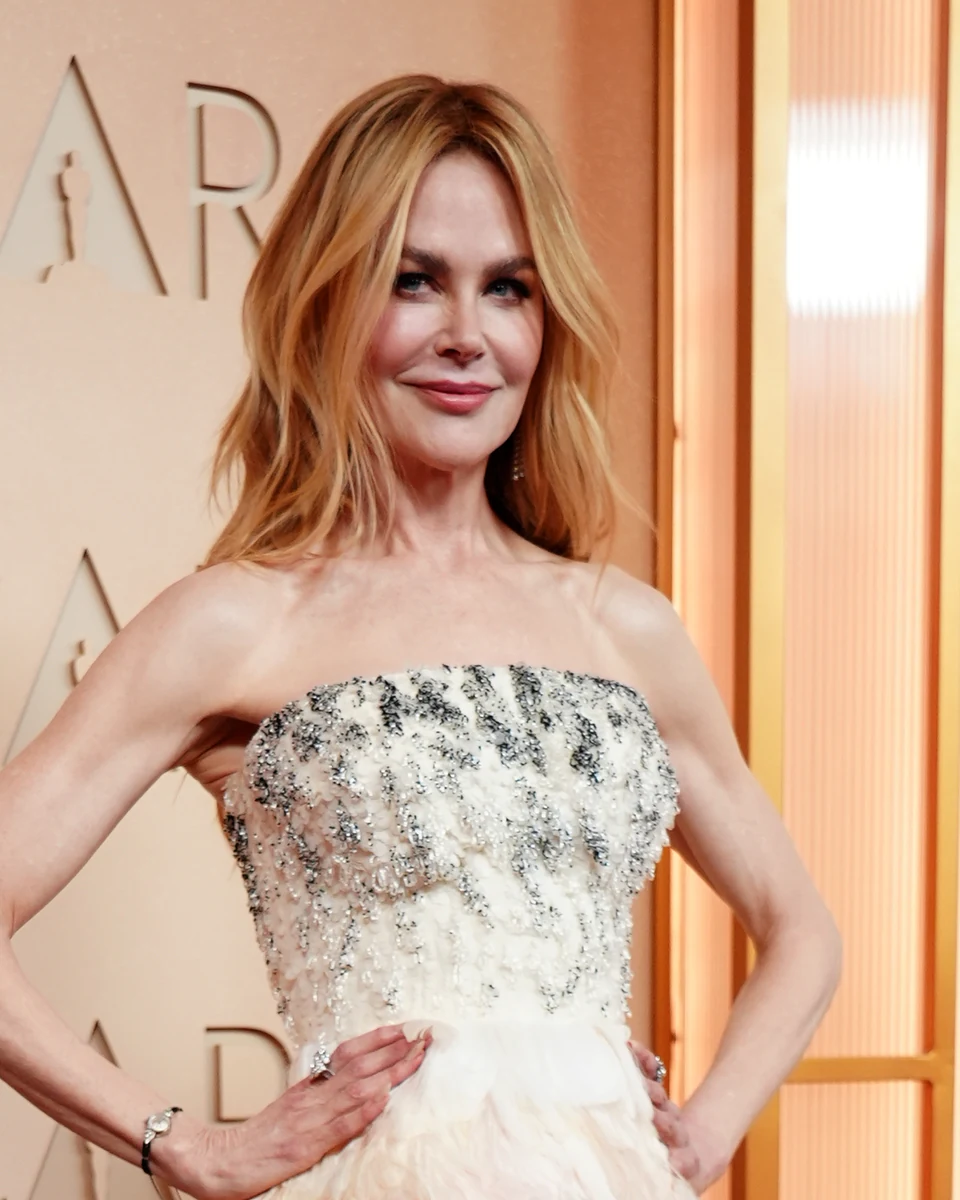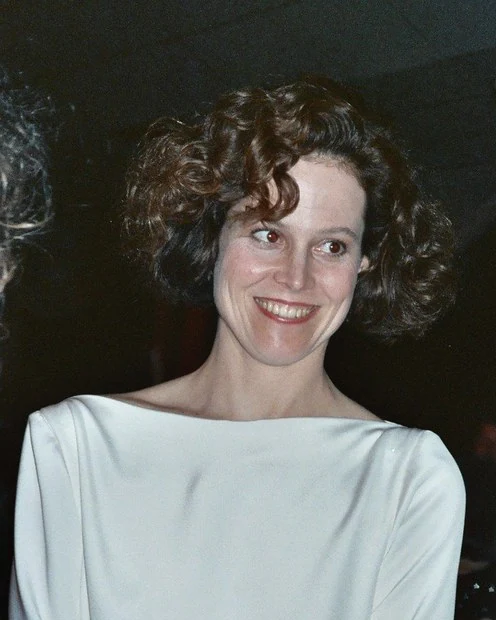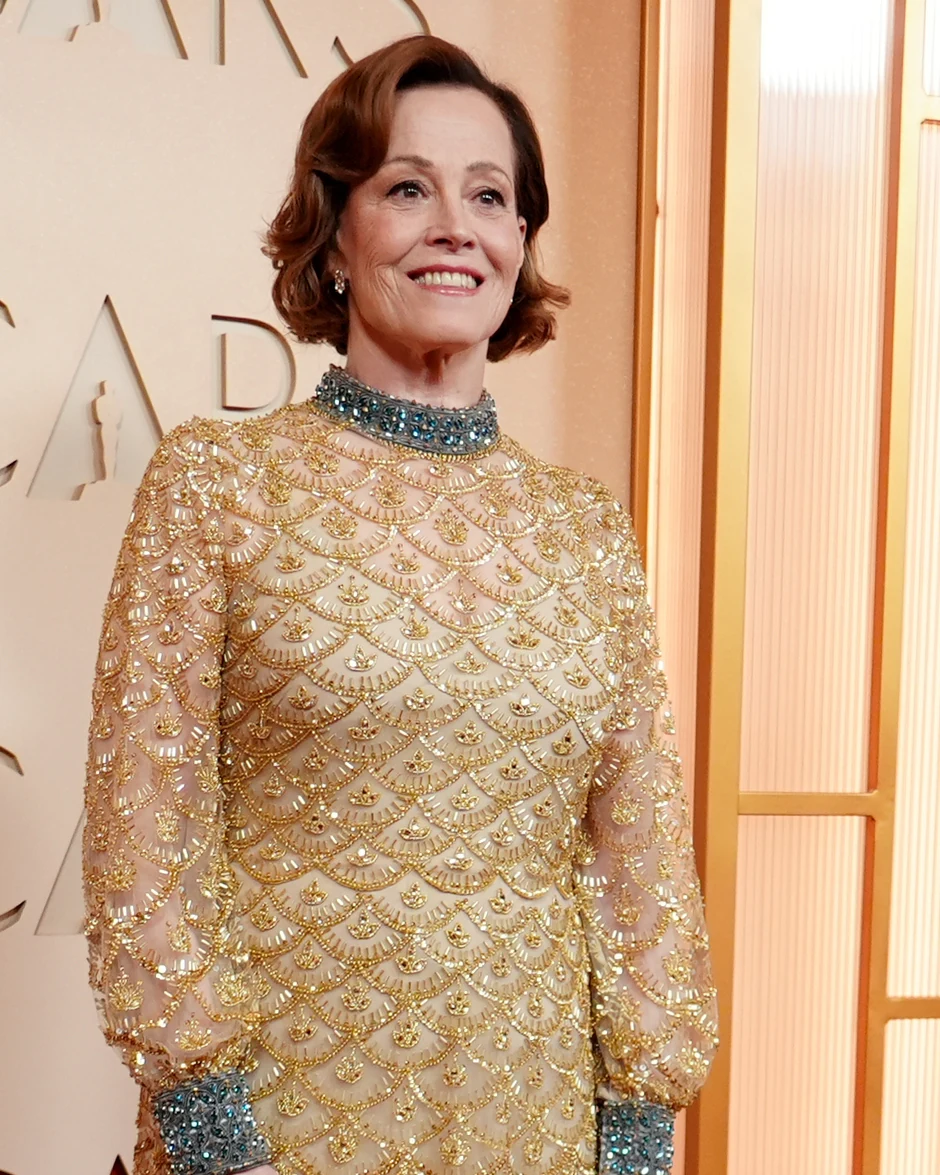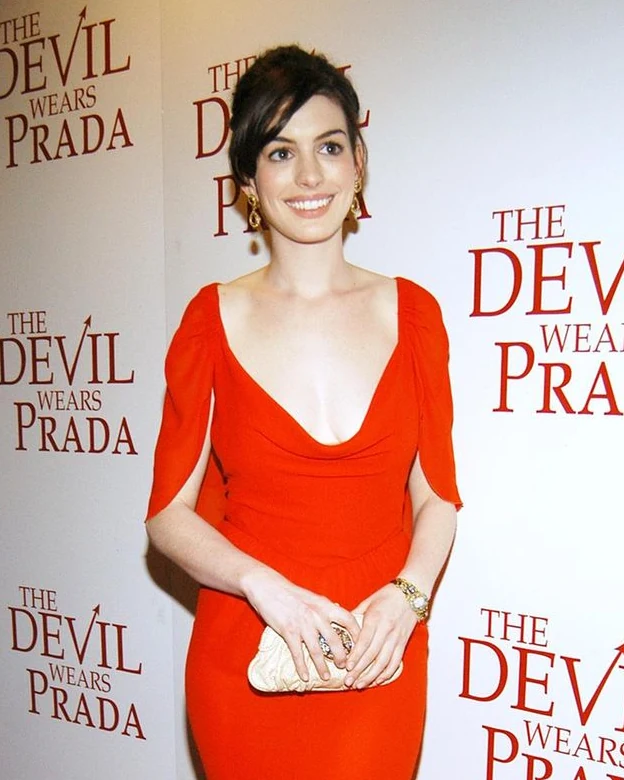
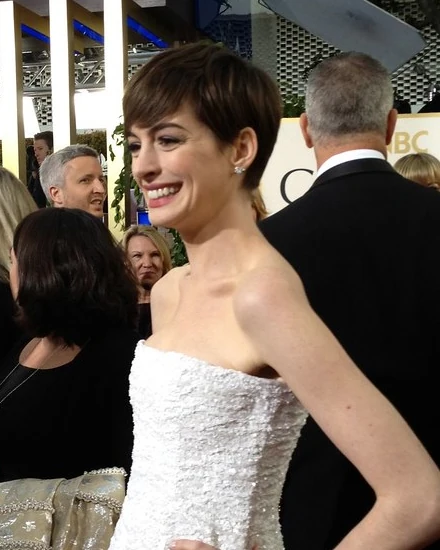
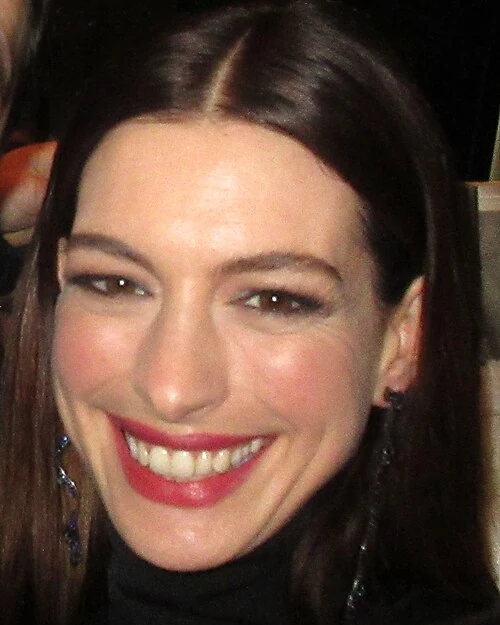
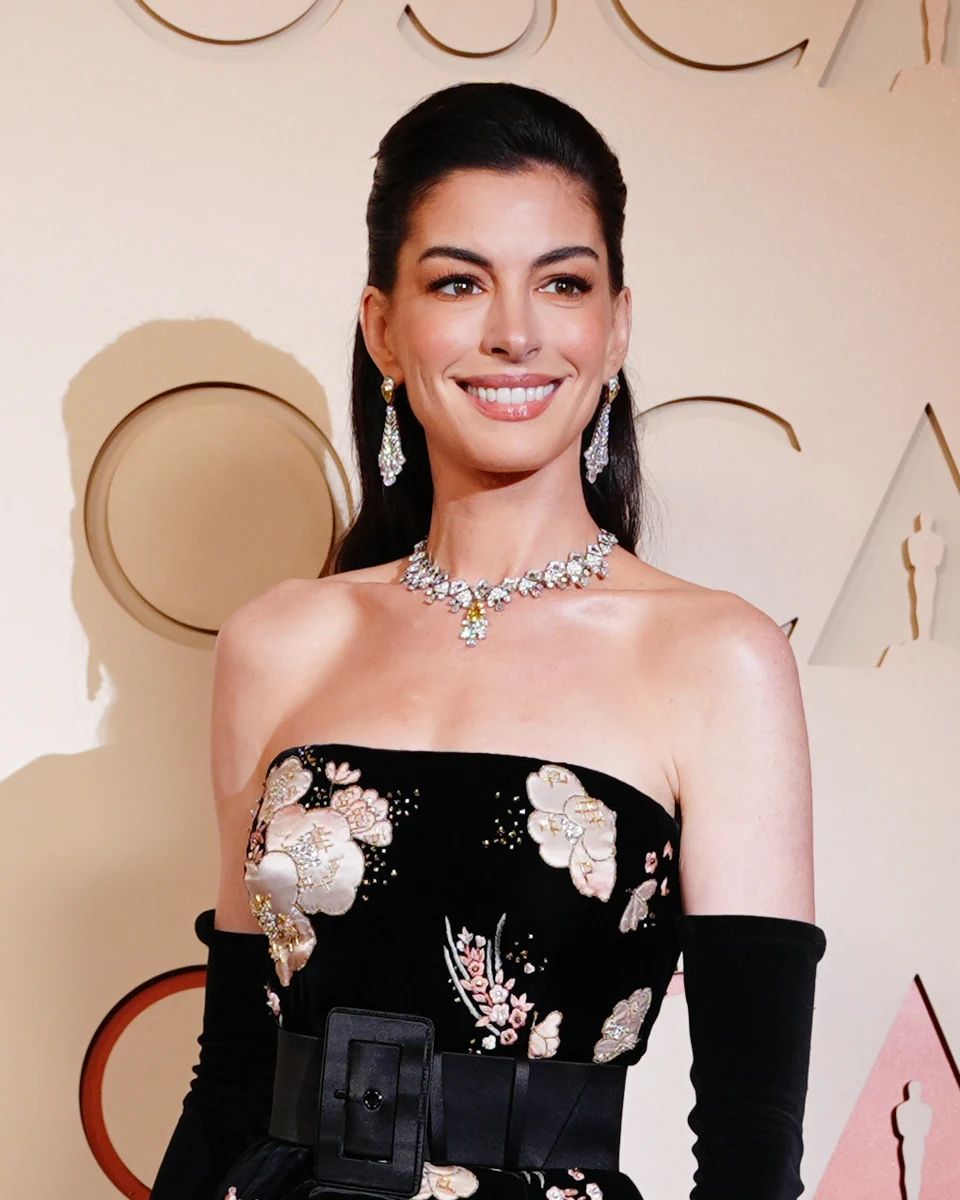
Anne Hathaway’s before-and-after story stretches from a major early chapter in 2006 to a dated appearance at the Oscars on 15 March 2026. The older photograph comes from the year of The Devil Wears Prada, a film that helped establish her beyond the princess role many viewers already knew. The newer picture shows the actress at an awards event, rather than playing a character.
Following the photographs across these years makes a useful starting point: Hathaway has remained recognisable while working across very different kinds of films. The awkward teenager, the young assistant trying to fit in, the desperate singer and the poised public figure belong to different settings. Understanding those settings gives the comparison a story, instead of reducing it to a checklist of changes in a face.
The first image many viewers remember
For a large part of the audience, Hathaway’s story starts with Mia Thermopolis in The Princess Diaries. The appeal is not simply a makeover. Mia has to learn how to be looked at without losing the person she was before everyone started looking. Her clumsiness and uncertainty make the royal fantasy approachable. Hathaway lets the audience recognise embarrassment before asking them to believe in the glamour.
The Disney archive entry identifies Hathaway with Mia in the two Princess Diaries films and with the White Queen in the Alice films. Those roles explain one side of her public identity: expressive, accessible and comfortable inside a heightened world. They also explain why viewers could initially associate her so strongly with family entertainment.
A breakthrough part can become a useful reference and a restrictive label at the same time. People keep the image that introduced them to an actor. Later performances have to work against that memory or find a new use for it. For Hathaway, an important step was playing a young woman whose problems came from work, ambition and adult choices rather than a fairy-tale inheritance.
Why 2006 is a strong point of comparison
The Devil Wears Prada places Hathaway’s Andy Sachs inside a fashion magazine, where clothes and professional confidence have immediate social meaning. The studio record dates its release to June 2006 and identifies its principal cast, including Meryl Streep and Emily Blunt. This is the career context for our earlier photograph, not a claim that the photograph is a scene from the film.
Andy is a useful role to revisit because the story itself teaches viewers how to read appearance. At first, her clothes mark her as an outsider. Later, a polished outfit can communicate belonging while hiding discomfort. The image changes faster than the underlying question: what is she willing to give up to do well in this workplace? Hathaway has to make the audience feel both the attraction and the cost.
That is also why the film belongs in a then-and-now profile. It catches an actress becoming associated with adult comedy and fashion imagery on a much wider scale. A 2006 portrait can recall this period even when it shows Hathaway as herself. Red carpets and film characters influence one another in the public memory, but they remain different kinds of image.
Comedy depends on more than a smile
Hathaway’s early popular roles often give her an open, readable face, but the comic work is more specific than looking cheerful. A pause before answering, a glance towards a difficult colleague or an attempt to recover dignity after an accident can carry a scene. The joke frequently comes from the gap between what a character hopes to project and what the audience can see happening.
In a workplace comedy, that gap can be particularly sharp. Andy wants to seem capable, even when she is learning rules nobody has explained. The viewer understands both her irritation and her desire to succeed. If the performance made her only helpless, the film would lose its forward movement. If it made her immediately assured, there would be little reason to follow the transformation.
This is a good way to rewatch a familiar Hathaway film. Look at the seconds around a line rather than only the line itself. Notice when she holds a reaction back and when she makes it visible. A glamorous still cannot show this timing. The motion and rhythm of a performance explain why a character remains engaging beyond the outfit that appears in a poster.
The dramatic turn and the Oscar
Hathaway’s career cannot be understood only through romantic comedy or fashion. Her work in Rachel Getting Married takes her into a more uncomfortable family setting. Les Misérables asks for another kind of performance again, joining dramatic acting to the demands of a screen musical. The differences matter because they show how incomplete any single early label can become.
She won the supporting actress Oscar for Les Misérables at the 2013 ceremony. The Academy’s results distinguish that award year from the film’s 2012 release. It is a clear career landmark, but it should not be confused with the year of the earlier picture displayed here. The visual comparison starts in 2006; the career story continues through later achievements.
In the musical, the audience is asked to listen closely to a character whose possibilities are disappearing. The singing is bound to the emotional circumstances rather than offered as a detached concert number. Compared with Andy’s struggle to keep up in a busy office, it creates a very different relationship between Hathaway and the viewer. Both depend on a person trying to preserve something under pressure.
What the 2026 photo adds
The right-hand photograph records Hathaway arriving at the Oscars in Los Angeles on 15 March 2026. The dated gallery provides the event context. The image answers a simple question about a real public appearance in 2026. It does not have to carry claims about private routines, cosmetic procedures or what she supposedly thinks about ageing.
There are better things to look at: the outline of the clothes, the styling around the face, the pose and the expression captured in that instant. The older photograph and the newer one were made in different circumstances. A close portrait, a full-length red-carpet photograph and a film still can produce very different impressions even when taken only days apart. Twenty years adds another layer to those differences.
For Hathaway, the continuity is as interesting as the change. The face many people remember from an early comedy remains connected to later work that asks for far more complicated emotions. The photograph shows a public moment; the filmography explains the accumulation of associations around it. None of these moments needs to be declared the better version for the timeline to be revealing.
A short viewing route through her career
Start with The Princess Diaries if you want to understand the early audience connection. Follow it with The Devil Wears Prada to see that accessible presence placed in an adult workplace. Then choose Rachel Getting Married or Les Misérables for a different emotional register. The point is variety: each film changes what the audience expects her to do.
You can also compare Hathaway’s trajectory with Gwyneth Paltrow’s movement from leading roles to a broader public identity, or Nicole Kidman’s many different screen identities. A photograph may fix a year in place, but an actor’s work keeps adding new ways to remember that year.