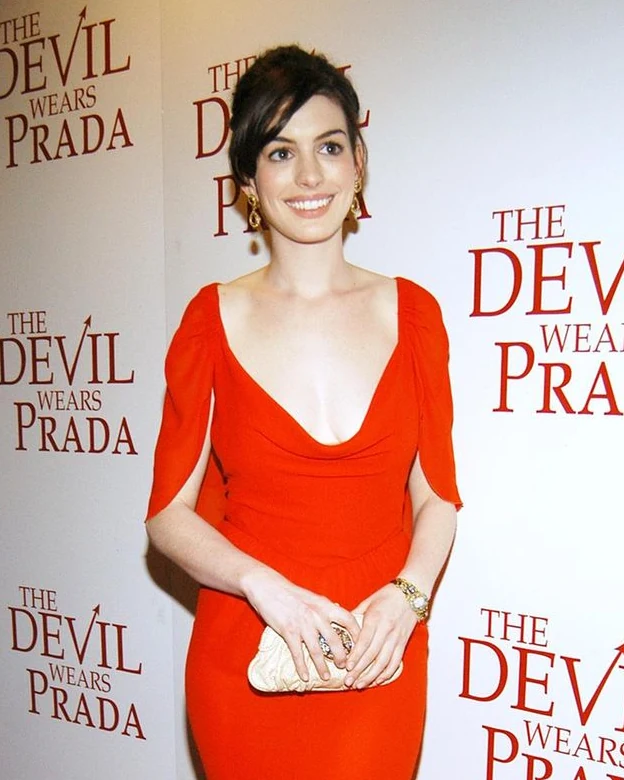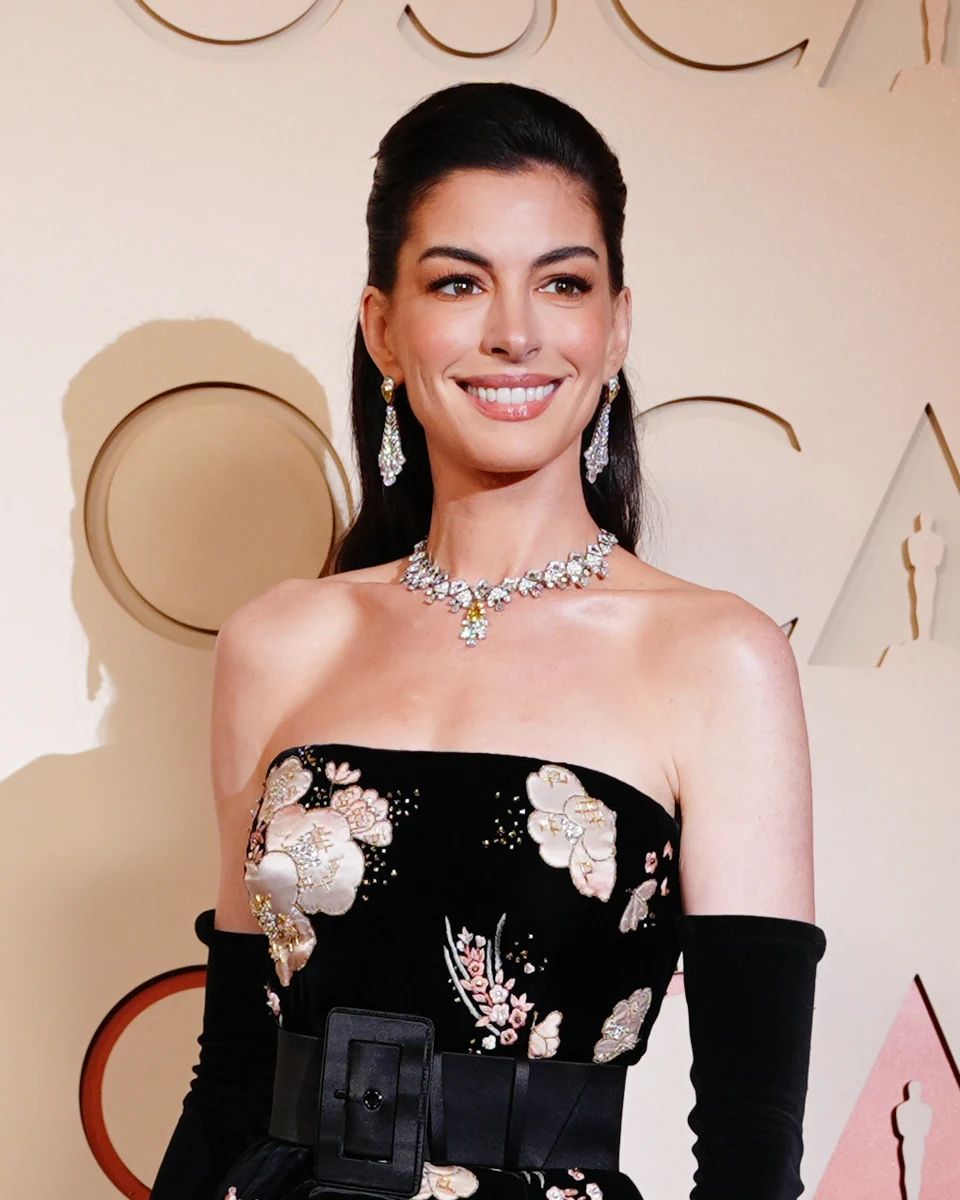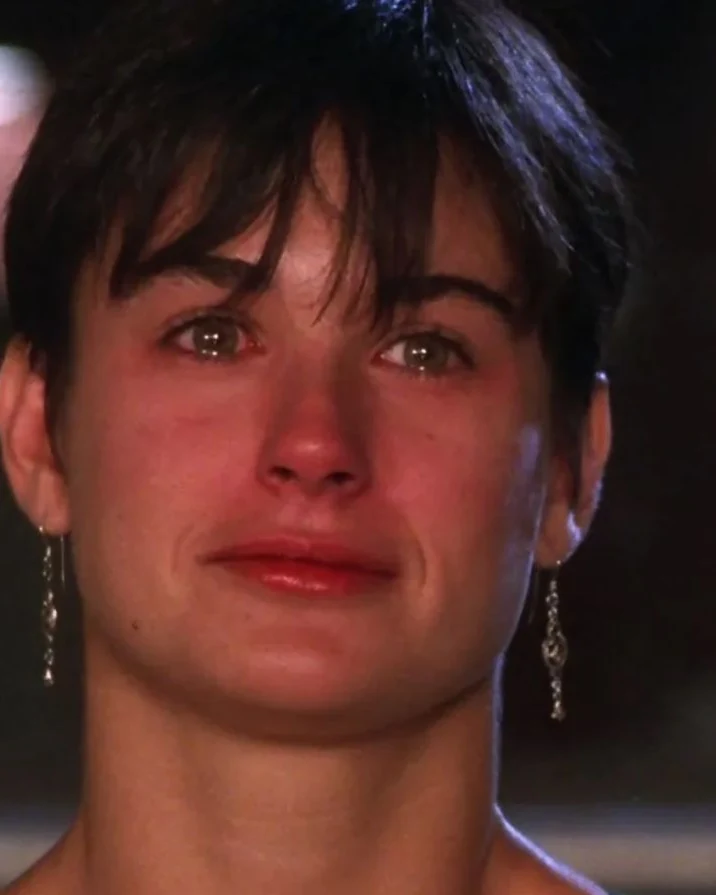


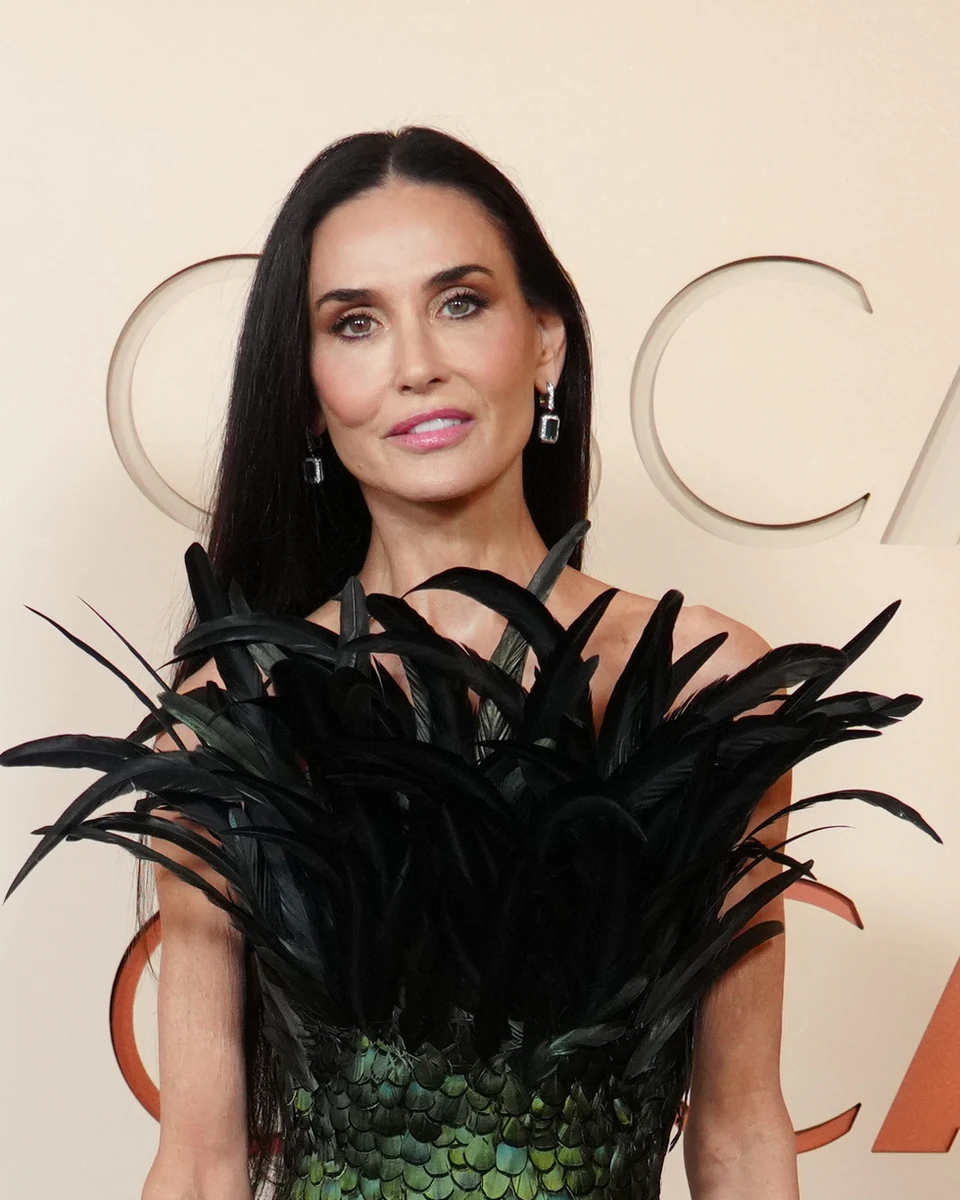
Demi Moore’s then-and-now comparison connects a scene from Ghost (1990) with an appearance at the Oscars on 15 March 2026. The earlier picture shows her as Molly Jensen; its year identifies the film, rather than a verified day of photography. The current image belongs to another chapter, after The Substance had brought renewed attention to her dramatic work. It is a career with more than one important moment.
That makes Moore a particularly interesting subject for a visual comparison. Many people remember a film character first, then mentally attach that character’s hair, clothes or expression to the actress. Looking again at a genuine photograph can separate those memories. The person at an awards ceremony is not Molly from Ghost or Elisabeth from The Substance, even when those performances shape how we recognise her.
Why Ghost is the earlier reference point
In Ghost, Moore plays Molly opposite Patrick Swayze, with Whoopi Goldberg central to the story’s unusual connection between the living and the dead. The Paramount film page establishes the principal characters and premise. It combines a love story with suspense and comedy, which gives the performances several different emotional jobs to do.
Moore has to make the loss matter before the supernatural story can fully work. If Molly’s attachment feels abstract, the later attempts at communication lose their urgency. The performance is therefore rooted in recognisable grief and uncertainty, even when the plot moves into fantasy. This grounding helps explain why images from the film remain familiar to people who do not usually watch supernatural stories.
The year 1990 is a clear point of comparison because it brings that remembered role into focus. It does not mean Moore was unknown beforehand or that her most valuable work ended there. A career landmark is an entry point. Here it gives readers a common reference from which to follow the different roles and public images that came later.
The difference between a look and a performance
The short hairstyle associated with the Ghost period is an easy visual marker. It can help someone place an old photograph quickly. But reducing the role to hair misses the reason audiences responded. Molly has to move through love, disbelief, anger and the possibility of accepting something she cannot easily explain. The emotional transitions provide the story’s human scale.
Think about a scene in which a character is receiving information they do not trust. The actor has to let the audience follow the effort of deciding, not simply display a single emotion. A still image captures only one stage in that process. The face may seem calm in a photograph even though the scene around it is about doubt. Motion, dialogue and the reaction of the other performer complete the meaning.
This is a useful way to return to a familiar film. Instead of waiting only for the scene you already remember, watch the build-up that makes it effective. Moore’s place in the story becomes clearer when you follow how Molly’s understanding changes. The famous image is the result of a sequence, rather than a substitute for it.
The 1990s and the power of a leading role
Moore’s 1990s filmography places her in very different kinds of conflict. A Few Good Men sets characters inside a military and legal struggle. Indecent Proposal builds tension around money, desire and a relationship under pressure. G.I. Jane moves towards physical demands and institutional resistance. These films invite different responses even when all of them place a strong public identity around the star.
The contrast helps explain why a performer can become a cultural reference beyond any one title. Audiences begin to recognise a quality of presence: directness, determination, or a willingness to enter a difficult confrontation. A later film can use that expectation or disrupt it. The remembered image becomes part of the material with which the new performance works.
There is also a difference between a character being described as strong and a performance showing strength. Strength might be loud, but it can also appear in hesitation followed by a decision, or in refusing to leave a room. When revisiting Moore’s roles, notice what the scene actually requires her to do. That is more revealing than applying the same general label to every character.
The Substance gives the comparison another dimension
The Substance appeared in competition at Cannes in 2024, with Moore in its cast. Her Cannes filmography provides that documented link. It is especially relevant to this profile because the film deals directly with images, visibility and the pressure to remain desirable. A then-and-now page about its leading actress should understand that context rather than unknowingly reproduce the pressure the film examines.
Moore plays Elisabeth Sparkle in Coralie Fargeat’s film. The Sitges festival entry identifies its combination of body horror, dark comedy and social criticism. This is a useful guide for viewers who might expect something closer to a conventional drama. Its methods are deliberately extreme, and its relationship with the body is part of that style.
You do not need to know the ending to understand its importance here. An actress whose image has circulated for decades takes part in a story about being assessed as an image. That creates another layer for viewers familiar with her earlier work. It also makes the idea of one permanent “prime” look much too simple. A later performance can become a major landmark in its own right.
What the March 2026 photograph tells us
The newer portrait shows Moore arriving at the Oscars in Los Angeles on 15 March 2026. Its caption in the event gallery supplies the date and setting. It documents an appearance, not an explanation of how a person looks or a complete account of their year. That limited but solid information is exactly what a photograph comparison needs.
Look first at presentation: hairstyle, the shape of the outfit, posture and the expression chosen by the camera’s instant. Then return to the earlier photograph and its own setting. Differences in light and image quality can alter the apparent texture and contrast of a face. These features belong to the photographs themselves and should be considered before making sweeping claims about a person.
The most worthwhile comparison is between the memories the photographs awaken. One may bring back a romance watched many years ago. The other may connect with a recent encounter with a challenging film. Moore’s career links those experiences without requiring them to carry the same meaning. The time between them contains changes in cinema as well as changes in the performer.
A viewing route that shows the range
Begin with Ghost for the strongest connection to the earlier picture. Follow it with A Few Good Men to see Moore in a story built around professional responsibility and confrontation. Choose The Substance when you want a much more confrontational treatment of image and identity. The shifts in genre are the point; this is not a ranking or a claim that the films are appropriate for every viewer.
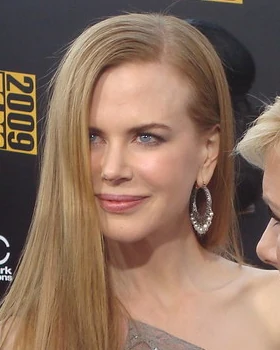
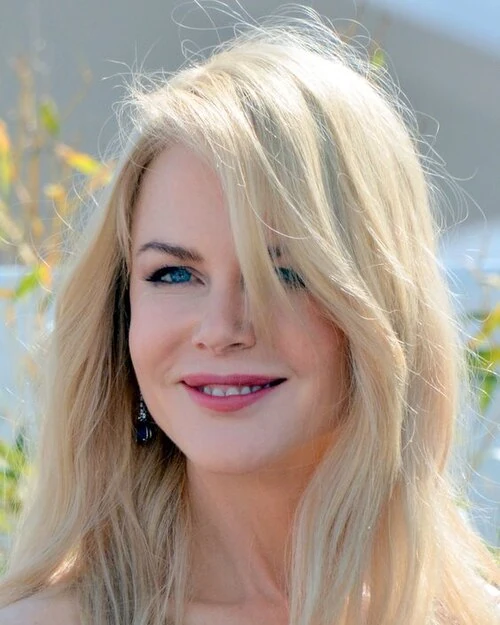
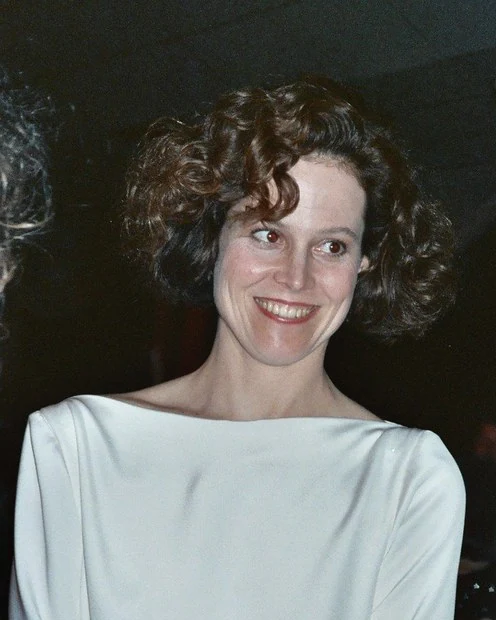
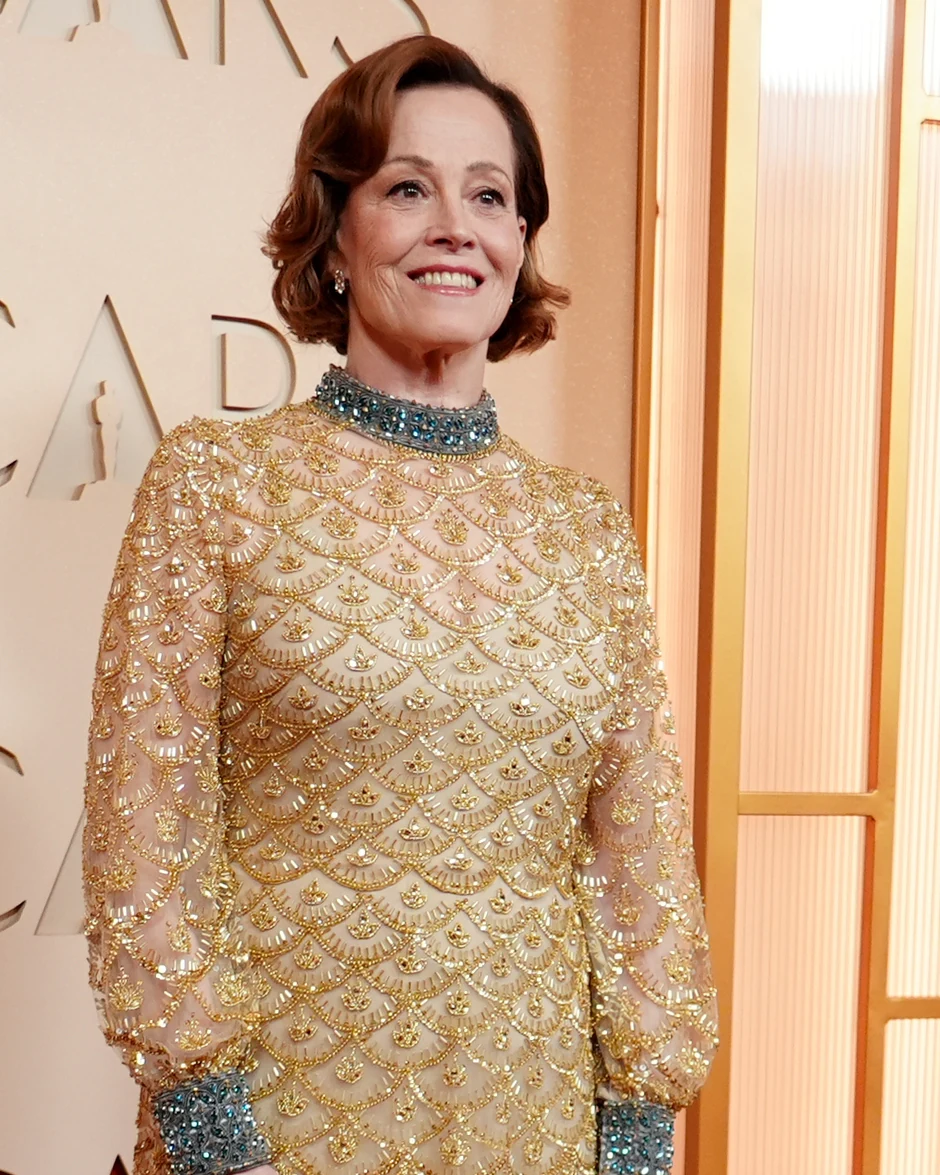
For another career that crosses distinct kinds of leading roles, explore Nicole Kidman’s comparison. For a different relationship between an enduring screen icon and later work, see Sigourney Weaver then and now. Moore’s photographs invite curiosity, but the performances are what explain the length and variety of the story.