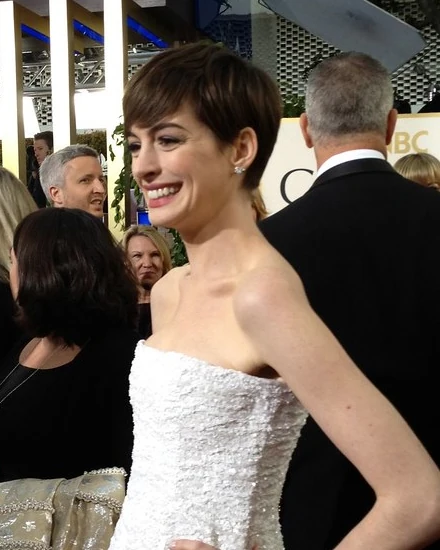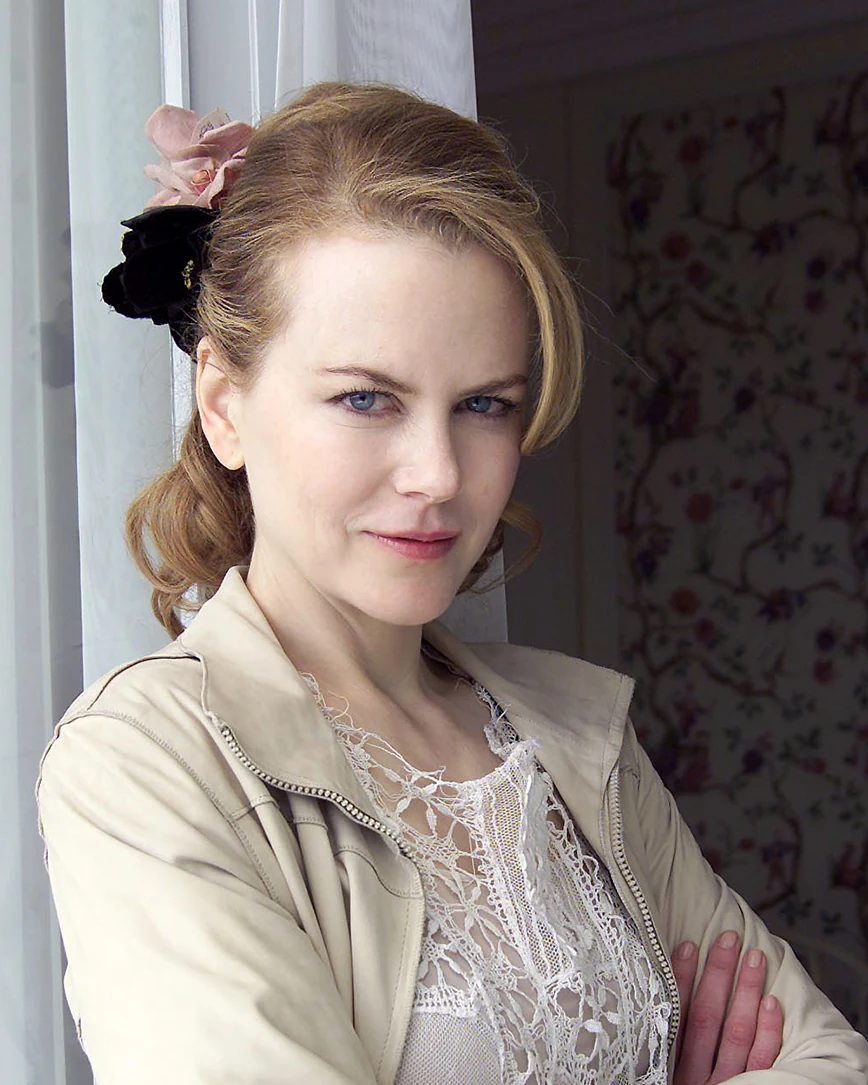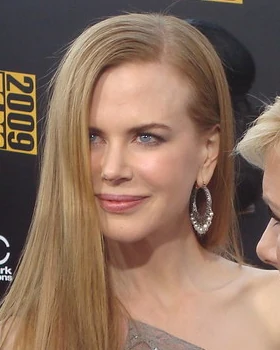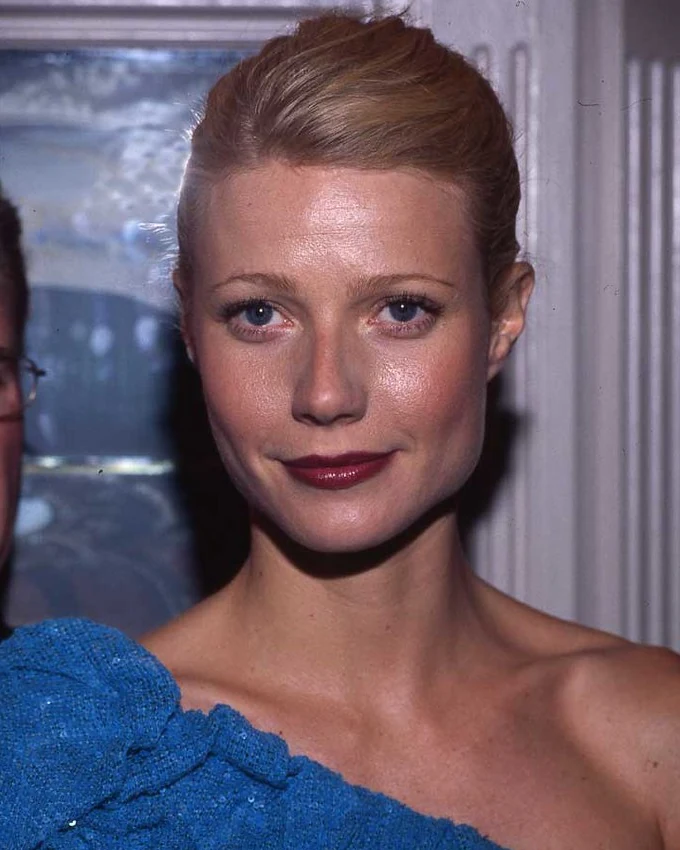



Gwyneth Paltrow’s then-and-now comparison pairs a photograph from 2000 with her appearance at the Oscars on 15 March 2026. The older image comes from the period immediately after her Academy Award for Shakespeare in Love. It is not a photograph from the film’s 1998 production or from the 1999 award ceremony. That small difference in dates helps put the whole comparison on firmer ground.
Paltrow is an interesting case because different generations may recognise different versions of her public identity. Some remember a leading actress in period romances and contemporary thrillers. Others first met Pepper Potts in the Marvel films. Still others know her through business and lifestyle coverage. A photograph cannot explain all those associations, but a short journey through the acting career can show where several of them began.
The late-1990s period behind the earlier photo
Shakespeare in Love is a clear landmark. Paltrow won the leading actress Oscar at the ceremony held on 21 March 1999, honouring films from 1998. The Academy’s ceremony record confirms the award. It explains why a portrait from the following year belongs to an especially prominent part of her career, even though it was taken on another occasion.
In the film, Paltrow plays Viola, a character who wants access to a world that restricts her. The story mixes romance with the making of a play, which gives the performance several layers. Viola is someone with her own desires, someone trying to pass inside a performance space, and someone whose presence affects another writer’s imagination. The role needs both clarity and a sense of play.
For the viewer, the pleasure comes partly from following what different people know. One character may understand a disguise while another is fooled by it. Paltrow has to make the audience a partner in that changing information. Her appearance is therefore part of the storytelling, not a separate display. That makes this career period particularly relevant to a site interested in the relationship between screen images and public memory.
Why a single award does not tell the whole story
An award gives a career a visible marker, but it can also make neighbouring work harder to see. Paltrow’s late-1990s screen identity was built across several films, not assembled in one evening. Emma places her in a world of social judgement and mistaken confidence. Sliding Doors turns different possibilities in a life into the structure of a romantic story. The Talented Mr. Ripley moves into a less reassuring atmosphere.
These titles make useful comparisons because each asks the audience to read social behaviour differently. A character may misunderstand another person’s intentions, present an appealing version of themselves or notice that a situation is becoming uncomfortable. A look that feels charming in one setting can become guarded in another. Acting happens through those changes of context as much as through obvious transformation.
If you remember Paltrow only through an awards photograph, choose one of these films before deciding what her early screen presence was like. You may find comedy in a role remembered as elegant, or uncertainty in a character who initially seems completely at ease. Those details give a historical portrait more meaning than the familiar description “young Hollywood star”.
Emma and the usefulness of mistaken confidence
One approachable way into Paltrow’s earlier work is Emma. The central character’s confidence creates much of the movement of the story. She can interpret a social situation with certainty and still be wrong. The audience is invited to enjoy her intelligence while also noticing the limits of her judgement. That is a more delicate task than simply playing someone likeable or someone foolish.
Watch what happens when a conversation does not go as the character expects. The performance has to preserve enough assurance for the mistake to make sense, while leaving room for the viewer to see past it. A small adjustment in tone or a late realisation can carry a great deal. These are effects that belong to the sequence of a scene and cannot be captured by a single posed image.
This also offers a useful alternative to ranking old and new photographs. You can ask how an actor’s presence works inside a particular social world. Paltrow’s apparent poise can be an advantage for a character who believes she understands everyone around her. Another film can use the same quality to create distance or conceal discomfort. Familiarity becomes a flexible dramatic tool.
Pepper Potts and a different audience
The Marvel films brought Paltrow to viewers who may never have seen the earlier romances. As Pepper Potts, she works inside a much larger fictional universe, where an ordinary professional exchange can sit beside inventions, danger and spectacle. Her connection with Tony Stark gives the audience a human relationship through which to understand a character who often behaves as though ordinary limits do not apply.
This changes the scale of the performance. A supporting character in a franchise does not always receive the same kind of uninterrupted focus as the lead in a period romance. Clarity matters: the audience needs to understand the relationship quickly when the story returns to it. An exchange of looks or a short disagreement can establish a history that the film does not have time to explain at length.
It is also a reminder that continued recognisability need not mean repeating the same career pattern. An actor may move between leading parts, supporting work and other public commitments. A then-and-now photograph shows the passage of time, but the professional story may be about changing kinds of participation rather than a neat succession of larger and smaller roles.
The 2026 portrait in context
The newer image shows Paltrow arriving at the Oscars in Los Angeles on 15 March 2026. The dated event gallery identifies her and the occasion. It is a reliable point for this comparison because the caption gives a capture context, rather than leaving the date to be guessed from a recent web page or from the clothes.
Consider the image as an event photograph. The outfit, hairstyle and pose contribute to a deliberate public presentation. The older portrait has its own lighting and photographic conditions. A change in colour balance can affect the apparent warmth of skin or hair, while a different distance changes which details stand out. These are ordinary differences between pictures and should be considered before turning them into a story about the person.
What makes the timeline distinctive is the body of associations between the dates. A viewer who remembers Viola sees one history; a viewer introduced through Pepper sees another. Neither has to be treated as the only correct starting point. The photographs bring those histories together around the same person at different documented moments.
What to watch next
For a useful introduction, choose Emma and Shakespeare in Love as two different approaches to period storytelling. Add Sliding Doors if you prefer a contemporary romantic structure, or The Talented Mr. Ripley if you want a more uneasy social world. Then return to a Pepper Potts appearance and notice how the performance fits the pace and scale of a franchise film.
You do not need to turn this into a complete filmography project. Even two contrasting films can challenge an oversimplified memory of a performer. The most useful comparison is one that helps you see something specific: a comic pause, an attempt to control a conversation or the moment a character stops feeling safe.
For another actress whose early public image developed far beyond one familiar role, explore Anne Hathaway then and now. Demi Moore’s profile offers a different example of a later dramatic chapter changing the way earlier fame is remembered. Paltrow’s dated portraits belong to that same broader story of recognition across generations.